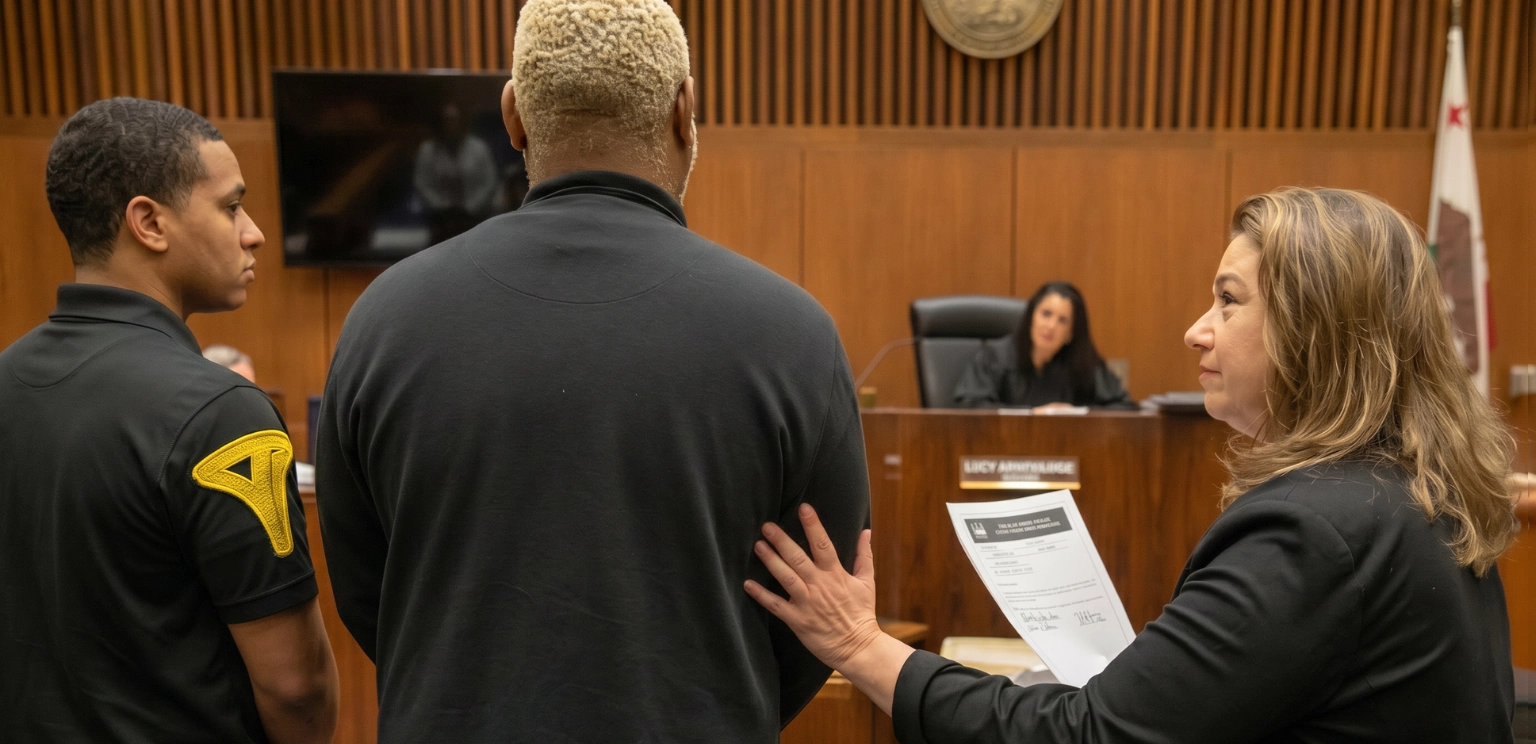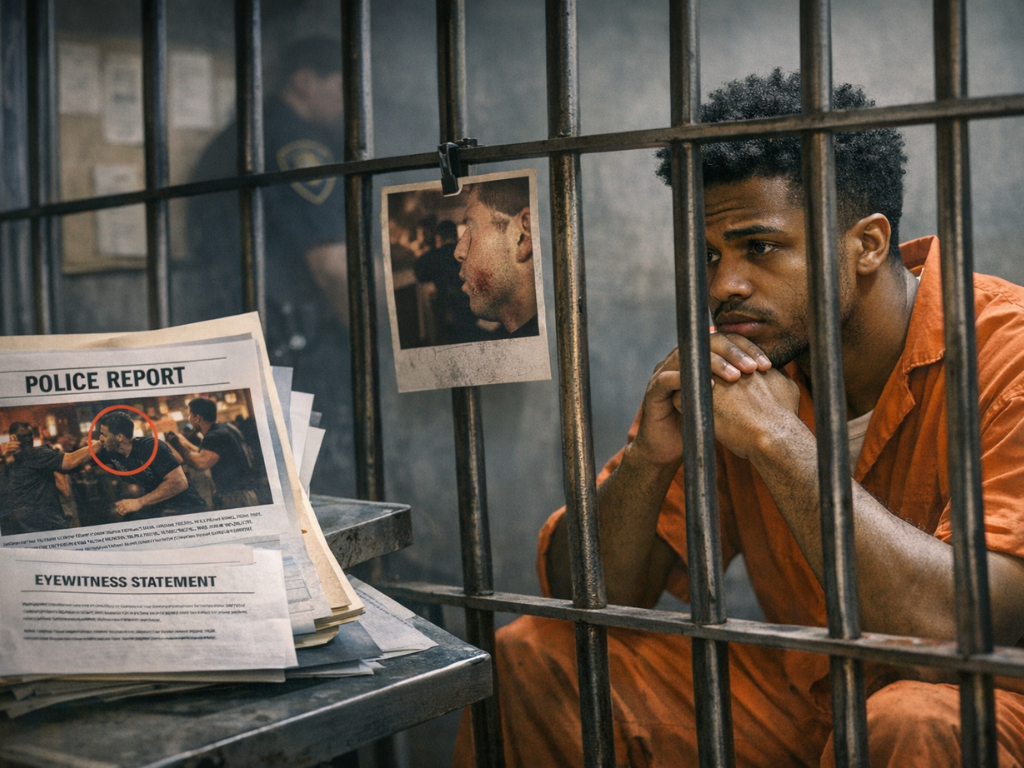
What Happens Before Trial Determines What Happens at Trial.
The prosecution had months — sometimes years — to build their case before the first hearing. The defense rarely gets that luxury. Our licensed criminal defense investigators work alongside defense counsel to interview witnesses, reconstruct scenes, identify inconsistencies in police reports, and develop the evidence that actually changes case outcomes. Whether you’re an attorney preparing for trial or a family member fighting for someone you love, the work that gets done before the courtroom is what wins inside it.
Licensed. Confidential. Built for the defense table.
Trusted Criminal Defense Investigations
At Terrance Private Investigator & Associates, we conduct discreet criminal defense investigations designed to support defense counsel with the field-level investigative work that builds a strong defense. With more than 17+ years of investigative experience, our licensed investigators conduct witness interviews, scene reconstruction, alibi verification, and evidence development — providing the documentation defense attorneys need to challenge the prosecution’s case effectively.
Every case is handled with strict confidentiality, full attorney-client privilege protection, and the urgency these matters demand.
Witness Investigation
Finding and Interviewing Witnesses We locate witnesses prosecutors didn’t interview, re-interview witnesses whose statements deserve scrutiny, and document accounts that change how the case is understood.
- Witness Location & Identification
- Recorded Witness Interviews
- Sworn Witness Statements
- Statement Inconsistency Analysis
- Hostile Witness Approaches
Scene & Evidence
Reconstructing What Happened We visit the scene, document conditions, photograph layouts, and identify physical evidence that police investigations may have missed or mischaracterized.
- Crime Scene Documentation
- Photographic & Video Evidence
- Diagram & Measurement Work
- Surveillance Footage Recovery
- Physical Evidence Identification
Case Development
Building the Defense Record We support trial preparation with the documented investigative record defense counsel needs to challenge prosecution narratives and present alternative theories.
- Police Report Analysis
- Alibi Investigation & Verification
- Background Investigation on Witnesses
- Mitigation Investigation
- Trial Preparation Support
How we help
What Our Criminal Defense Investigations Include
Witness Location & Interviews
Locating witnesses the prosecution didn't pursue, re-interviewing witnesses whose statements may not hold up under scrutiny, and documenting accounts that strengthen the defense.
Crime Scene Investigation
On-site documentation, photographs, measurements, and reconstruction of the location where the alleged offense occurred — often revealing conditions that contradict the prosecution's narrative.
Alibi Verification
Documented investigation establishing the defendant's whereabouts, activities, and corroborating witnesses during the time of the alleged offense.
Police Report & Discovery Analysis
Careful review of police reports, body cam footage, and discovery materials to identify inconsistencies, gaps, and investigative work that wasn't done.
Background Investigations on Prosecution Witnesses
Criminal history, credibility issues, prior inconsistent statements, and motivations that defense counsel can use during cross-examination.
Mitigation Investigation
For sentencing and pre-plea negotiations, comprehensive background investigation documenting the defendant's character, life history, and circumstances relevant to mitigation.
Who we help
Who We Help With Criminal Defense Investigations
Every criminal case is different — but every strong defense relies on the same thing: investigative work that goes beyond the police report. Our investigators work with defense attorneys, families, and the accused themselves to develop the facts that change case outcomes.
Criminal Defense Attorneys
We work as an extension of your defense team — handling the witness work, scene investigation, and field-level case development that frees you to focus on legal strategy and trial preparation.
Public Defenders
Public defender caseloads make thorough investigation impossible without outside support. We provide the investigative resources your office can't always staff in-house.
Families of the Accused
A loved one is facing charges and you're trying to figure out how to help. We work directly with families to provide the investigation their attorney needs — and to help families understand what's actually happening with the case.
The Accused Pre-Charge
If you've been told you're under investigation but haven't been charged yet, the work that gets done now can shape whether charges ever get filed. Pre-charge investigation is some of the most strategically valuable work we do.
Appeals & Post-Conviction
For appeals, post-conviction relief, and innocence work, we conduct the renewed investigation — locating new witnesses, reviewing original evidence, and identifying issues that may support the appeal.
Vehicle & Boat Owners
If your personal vehicle or watercraft has been stolen and the case has stalled, our investigators can pick up where law enforcement leaves off.
Warning Signs
Signs Your Defense Needs an Investigator
The Police Report Doesn't Match What Actually Happened
Statements that contradict known facts, missing witnesses, or descriptions that don't match the scene as it actually existed.
Evidence Wasn't Collected
Surveillance footage that wasn't pulled, physical evidence that wasn't tested, or scenes that weren't properly documented.
The Prosecution's Theory Has Gaps
Timeline inconsistencies, motive theories that don't fit, or physical impossibilities that the discovery hasn't addressed.
Witnesses Were Never Interviewed
The discovery materials reveal that key witnesses present at the scene or with relevant information were never spoken to by police.
A Witness's Credibility Is Questionable
Prior inconsistent statements, criminal history, or motivations that defense counsel can challenge — but only if those issues are documented.
Trial Is Approaching and the Investigation Isn't Done
Many cases reach the trial date with significant investigative work still untouched. There's still time to fix that.
How it works
How Our Criminal Defense Investigation Process Works
1
Consultation
Confidential discussion with defense counsel (or directly with the family or accused) about the case, the charges, and the investigative needs.
2
Case Intake & Strategy
Secure onboarding under attorney-client privilege, review of discovery materials, and investigative strategy aligned with defense counsel's case approach.
3
Field Investigation
Witness interviews, scene work, evidence recovery, background investigations — executed urgently and documented thoroughly.
4
Reporting & Trial Support
Detailed investigative reports, sworn statements, and ongoing trial preparation support — delivered in formats defense counsel can use immediately.
What Do I Need to Start a Criminal Defense Investigation?
The more we know upfront, the faster the investigation moves — and time matters in criminal defense:
Case Information
- Charges filed (or expected charges)
- Court and case number (if charges have been filed)
- Defense attorney’s contact information
- Trial date or upcoming hearing dates
- Discovery materials available (police reports, witness statements, body cam)
Defendant Information
- Full legal name
- Date of birth
- Current custody status (in jail, out on bond, etc.)
- Account of events from the defendant’s perspective
- Names of any potential witnesses or alibi source
Specific Investigative Concerns
- Witnesses who weren’t interviewed
- Scene conditions that need documentation
- Surveillance footage that may exist
- Inconsistencies in the police report
- Time-sensitive evidence that may disappear
The earlier we start, the more evidence is still recoverable. In criminal defense, days matter.
Contact US
Speak With an Investigator Who Understands Criminal Defense
Every criminal defense investigation begins with one priority: developing the facts that strengthen the defense. A licensed investigator can confidentially review your case, discuss investigative strategy, and explain how field-level investigation supports the defense work that’s already underway.
Terrance Private Investigator & Associates conducts criminal defense investigations across all 50 states, with the discretion, urgency, and attorney-client privilege protection these cases demand.
Case Studies
Real Results From Our Completed Criminal Defense Investigations
Every case represents a real defendant whose outcome depended on investigative work the prosecution didn't do. Browse our completed criminal defense investigations to see how our team has located missing witnesses, documented scene conditions, and developed evidence that supported strong defense outcomes. Names and identifying details have been changed to protect attorney-client privilege and case confidentiality.
Insights
What Our Investigators Have Learned From Real Criminal Defense Cases
Over the years, our investigators have supported defense counsel on hundreds of criminal cases — from misdemeanor charges to serious felonies. These insights reflect what real cases have taught us, and what defense attorneys, families, and the accused should know about how investigation actually shapes case outcomes.
Introduction The Case Your Client Needs and the Evidence Only a PI Can Build Every criminal defense attorney practicing.
Patterns
What Our Criminal Defense Investigations Commonly Reveal About How Cases Get Built
Criminal defense investigations expose patterns that show up case after case — patterns that defense counsel can challenge if the work to document them gets done. While every case is unique, our investigators repeatedly observe the same investigative gaps in how prosecutions are constructed.
Witnesses Police Didn't Interview
The most common finding in defense investigation: witnesses who were present at the scene, named in the police report, or known to relevant parties — and who were never spoken to by investigators. These witnesses often have accounts that complicate the prosecution's theory significantly.
Scene Conditions Misrepresented in Reports
Lighting, sight lines, distances, and physical layouts described in police reports frequently don't match the actual scene when documented properly. These contradictions are often case-defining.
Surveillance Footage That Was Never Pulled
Businesses, residences, and traffic cameras near the scene routinely capture relevant footage that police never requested. Recovery is time-sensitive — most systems overwrite within 30 to 90 days.
Witness Credibility Issues That Weren't Disclosed
Prior inconsistent statements, criminal history, motivations to lie, and relationships between witnesses that the prosecution didn't surface in discovery.
Alibi Evidence That Was Never Documented
Receipts, surveillance footage, phone records, and witness corroboration establishing the defendant's whereabouts that weren't preserved or verified during the original investigation.
While these patterns don’t determine case outcomes alone, a professional criminal defense investigation transforms what defense counsel suspects into the documented record needed to challenge prosecution effectively.
Why Choose Us
Why Defense Attorneys Choose Terrance Private Investigator & Associates
Criminal defense investigation requires specific skills, urgency, and an understanding of how cases actually get tried. Here’s what separates our work from the rest.
Defense-Side Experience
Our investigators understand exactly what defense counsel needs and how prosecution cases are built. We work with the urgency criminal cases require and the documentation standards trial work demands.
Attorney-Client Privilege Protection
When retained through defense counsel, our work is protected by attorney-client privilege and work product doctrine. Communications, investigative findings, and case materials remain confidential.
Licensed & Insured Investigators
Every investigator on our team operates under a valid private investigator license and carries professional liability insurance. You're never working with an unlicensed operator or an unvetted contractor.
Court-Ready Documentation
Investigative reports, witness statements, and evidence documentation are prepared to evidentiary standards — admissible in pretrial motions, plea negotiations, and trial proceedings.
24/7 Availability
Assets move on their own schedule. Our investigators are available evenings, weekends, and overnight whenever your recovery situation requires it.
How much do criminal defense investigations cost?
The cost depends on the charges, the scope of investigation, and the urgency of the work. Most criminal defense investigations are structured around hourly rates with a retainer collected upfront. For court-appointed and indigent defense work, we accept investigator funding orders where authorized. During your initial consultation, we provide a clear estimate based on what the case actually needs.
Can families hire an investigator directly, or does it have to go through the attorney?
Both are possible — but the strongest investigative work happens through defense counsel. When retained through the attorney, our work is protected by attorney-client privilege and work product doctrine, and findings can be used strategically without inadvertent disclosure. We frequently work directly with families and then coordinate seamlessly with the defense attorney once retained.
What if my loved one hasn't been charged yet but is under investigation?
Pre-charge investigation is some of the most strategically valuable work we do. The work done during this window can influence whether charges get filed at all, what level they’re filed at, and what the prosecution’s case looks like before it’s formalized. If law enforcement has reached out, has executed search warrants, or has indicated charges are coming — that’s the moment to start, not the moment to wait.
Will the prosecution find out we're investigating?
Our investigations are conducted with strict discretion. Witness interviews, scene work, and field investigation are designed to develop information without alerting the prosecution to specific defense strategy. When witnesses we’ve interviewed are subpoenaed by either side, that’s expected — but the strategy and findings remain protected.
How long does a criminal defense investigation typically take?
It depends entirely on the case. Some investigations — like locating a single missing witness or recovering specific surveillance footage — can resolve in days. Comprehensive trial preparation investigation may span weeks or months as the case develops. We move with the urgency the case requires and coordinate timing with defense counsel’s trial calendar.
Will the investigator testify at trial?
Often, yes. When we develop testimony or document scene conditions, our investigators can testify to authenticate findings, present documentation, and respond to cross-examination. We approach every investigation knowing testimony may be required — which means our documentation and methods need to hold up under scrutiny.
What if the investigation reveals something that hurts the defense?
We report what we find. Defense counsel needs accurate information — including unfavorable information — to make strategic decisions about plea negotiations, trial strategy, and case theory. An investigator who only reports favorable findings creates strategic blind spots that get defendants convicted. Honest reporting protects the defense, even when individual findings aren’t what the client hoped for.
FAQs
Frequently Asked Questions
Answers to the most common questions clients ask before starting asset recovery investigations. If something isn’t covered here, call us directly and we’ll walk you through it.
24/7 Availability
Suspicious activity doesn't follow a 9-to-5 schedule. Our investigators are available for evening, overnight, and weekend surveillance — whenever the situation requires it.
Reliable Results
Every case is handled with the same standard of documentation, discretion, and professionalism regardless of complexity. You receive clear findings you can act on — not vague summaries.