
What to Do About an Uncooperative Witness in Houston
Usually not hostile, just tired, worried or moved on. Pressure is the ...
A case can be ready in every respect and still stall because one person cannot be found. Witnesses move, change numbers, change names, and sometimes decide they would rather not be involved. A Houston witness location investigation finds them, documents how they were found, and gives you something you can put in front of a court.
1
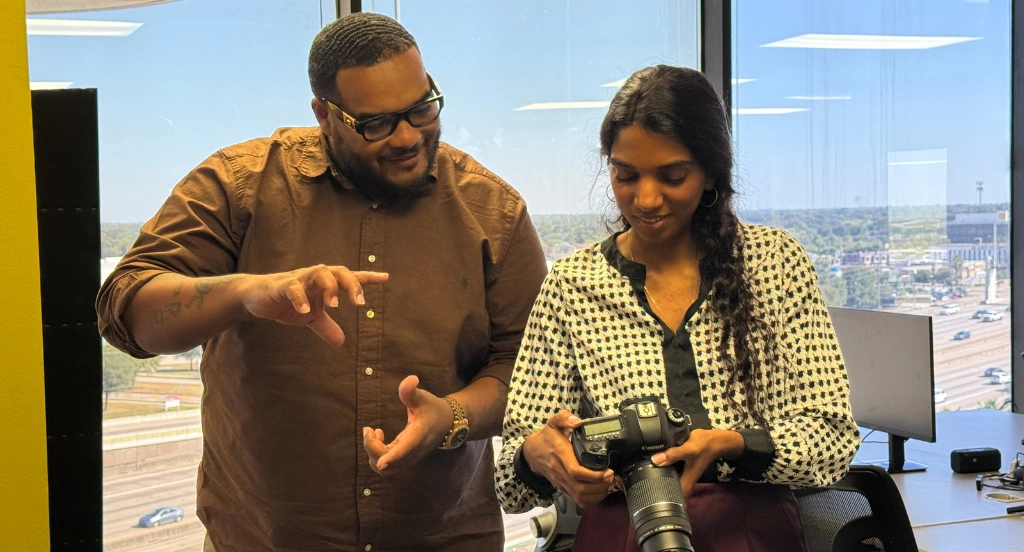
If you are reading this, there is probably a date in the calendar and a name you cannot attach an address to. The number is disconnected. The last address is two moves old. Opposing counsel has noticed. You are not the first attorney in this city to be in that position a fortnight out.
A Houston witness location investigation is research rather than pursuit. We work identity first, then residency and employment history, then the people around them, and we verify the result before it reaches you. Every finding is stated alongside the record it came from, so nothing in the report rests on an investigator saying he is fairly confident. Evidence over assumptions, every time.
Across 17+ years and more than 800 closed cases, the pattern we see most often is not that a witness has vanished. It is that the file has an old address, a common name, and nobody has yet separated the person you want from the four other people who share it. Most of what looks like a disappearance is an identification problem.
We will also be honest about what a locate can and cannot achieve before you spend anything. Finding somebody is not the same as securing their cooperation, and we will tell you plainly when a name is thin enough that the realistic prospects are poor rather than billing you to discover it slowly.
We work the full Houston metro and the counties around it, from Downtown and Midtown out through the Galleria, the Energy Corridor, Katy, Sugar Land, Pearland, Kingwood and Spring, and nationwide when a trail leaves Texas. See our Houston private investigator page for full coverage.
Most people searching for a witness locate in Houston are counsel or a paralegal working to a date, and what they need is narrow. An address that is current today, confirmed rather than inferred, with a record of how it was established.
That last part matters more than people expect. A locate that cannot be explained is a locate that becomes an argument. We document the sources, the dates and the verification step, so if the return of service is challenged, or if you need to show a court what efforts were made, the answer is already written down.
We work civil, family and criminal defence matters, and we work them the same way. We do not take a position on the case, we do not care which side of it the witness helps, and we report what we find whether or not it is convenient.
Locating a witness is a different service from finding a missing family member and from serving process, and we keep them separate. If what you actually need is a missing person investigation or a process server, we will say so rather than sell you this.
No two locates run the same way, so we build each one around the identifiers available and the deadline you are working to. Our work may include:
2
A witness locate is rarely the first thing anyone tries. It follows the disconnected number, the returned mail and the two weeks somebody spent calling relatives. What brings counsel to a Houston witness location investigation is usually a date that has stopped being comfortably far away.
At Terrance Private Investigator & Associates we work identifiers rather than guesses. We tell you what we can confirm, we show you where it came from, and we are equally direct when the identifiers you have are too thin to produce a defensible answer.
3
What 17+ years of Houston witness location investigations has taught us, written for the attorney or paralegal working to a date.
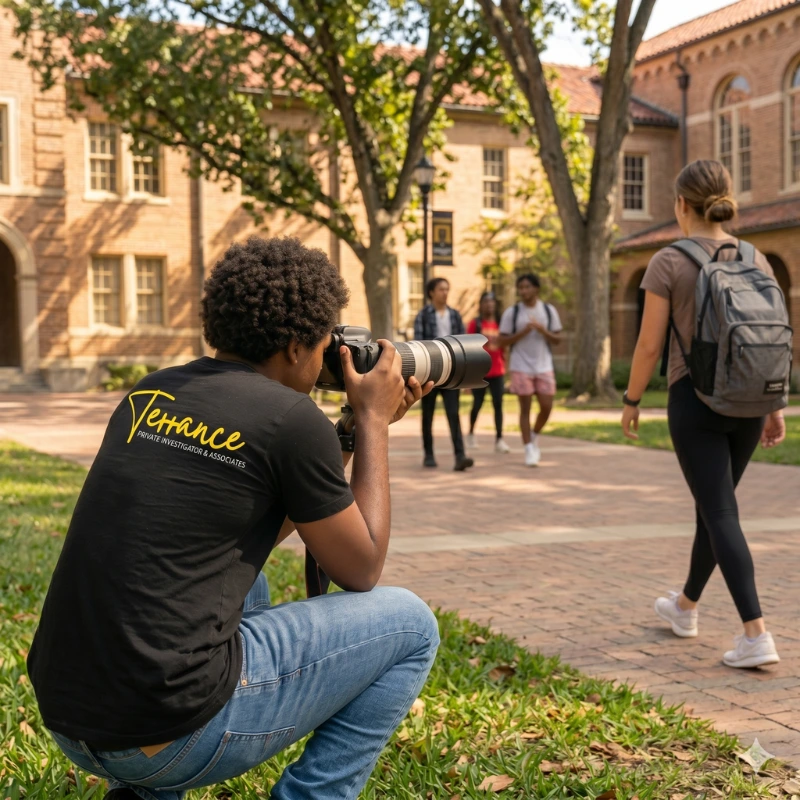
Usually not hostile, just tired, worried or moved on. Pressure is the ...
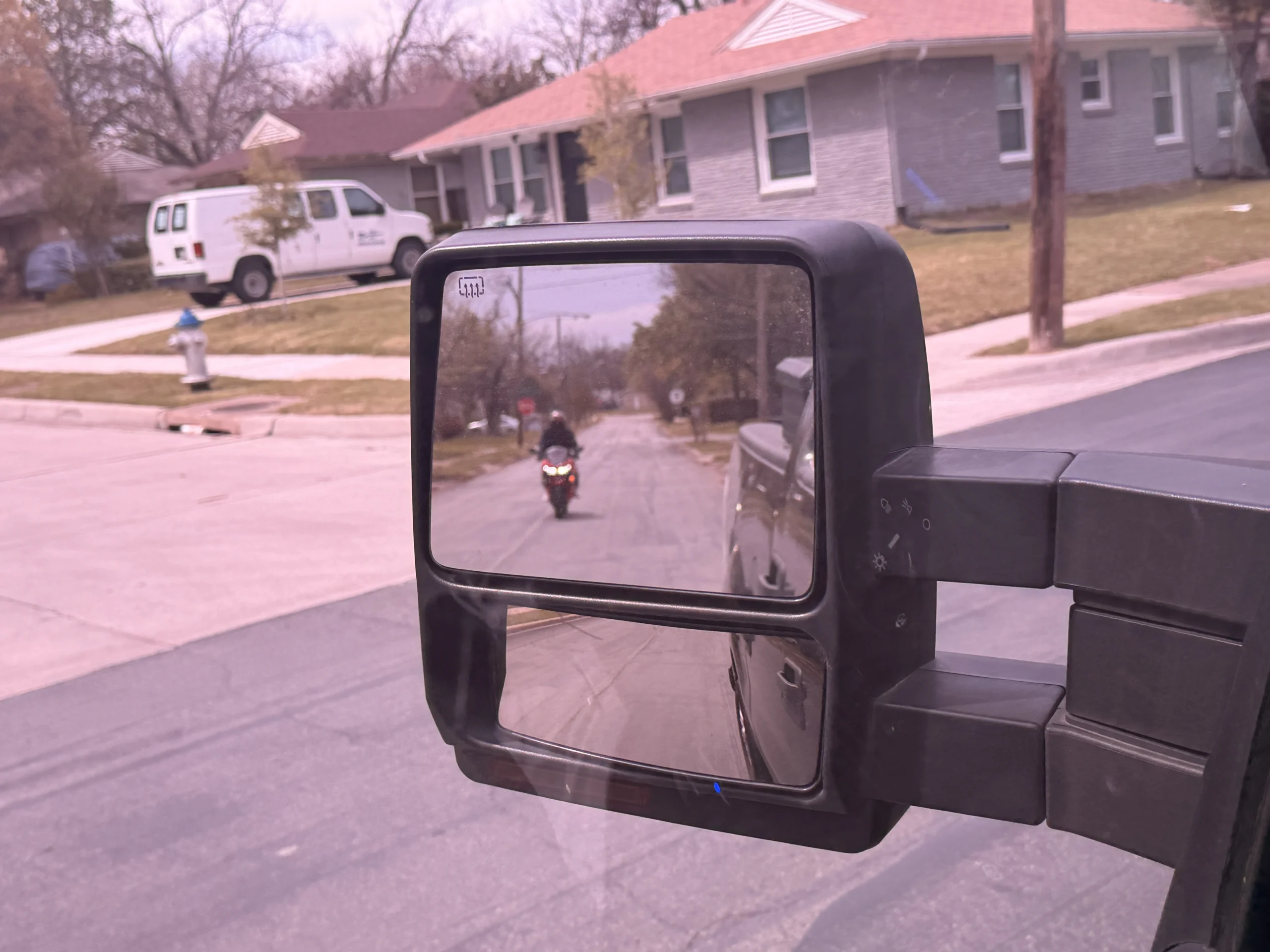
Before it is a legal argument it is a documentation problem. Here ...

Most vanished witnesses have not vanished. The file has an old address ...
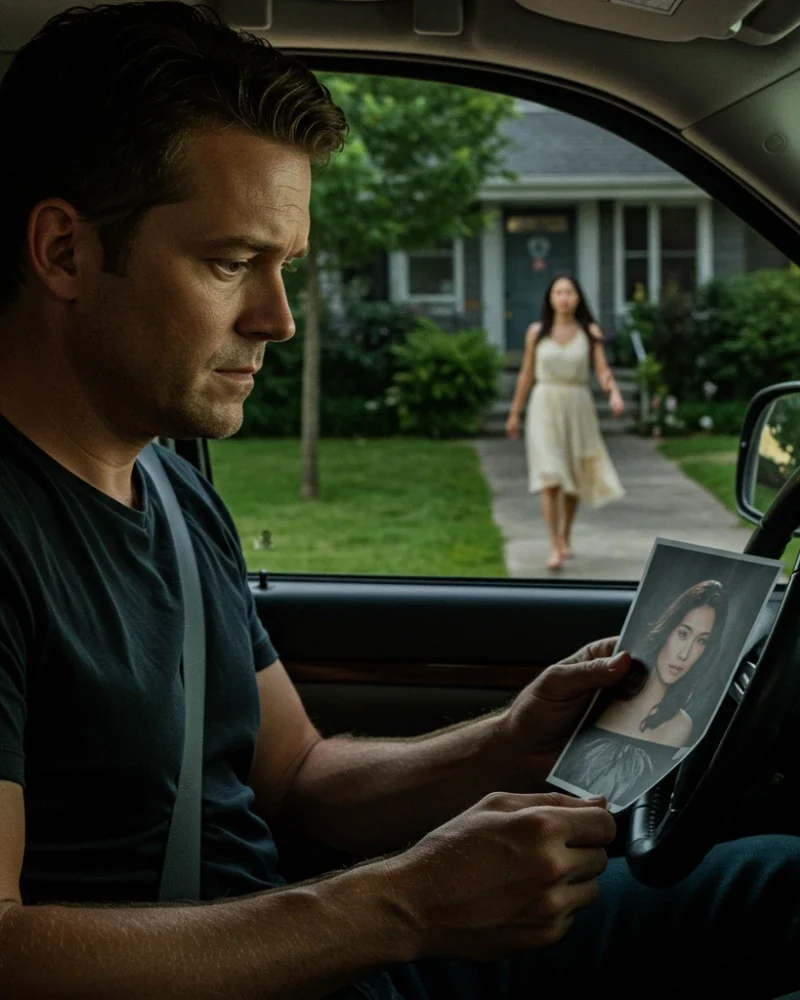
Usually a flat case rate. What moves it is the quality of ...
4
5
Licensed by the Texas Department of Public Safety under A30913601, working Houston and Harris County cases since 2009.
on Google across more than 600 verified client reviews. Ask any Houston firm you are considering how many they have.
Every finding is stated with its source and date, and we say plainly whether an address was verified in the field or established from records alone.
We confirm who the person is before we report where they are. A confident address attached to the wrong person is worse than no address at all.
No pretexting, no account access, no pressure on a witness who has declined. Every method is one we can explain in a courtroom.
Most locates can begin within 24 hours and resolve within a few business days, and we tell you at the outset when yours will not.
6
Yes, locating a witness is lawful, and the limits sit around how they are approached rather than around finding them.
Address, residency, property, vehicle, corporate and court records are matters of public record or lawful licensed data, and a licensed investigator may research and verify them. Terrance Private Investigator & Associates is licensed by the Texas Department of Public Safety under License #A30913601, and every Houston witness location investigation we run stays inside that boundary.
Where care is required is contact. A witness is not a suspect and they are under no obligation to speak with anyone before they are served. So:
If a matter is criminal, the rules around contacting represented or protected witnesses are yours to direct. We work to your instruction on who may be approached and how, and we document what we did.
Most firms will not put anything about cost on the page. The honest answer is that it depends, but for counsel budgeting a matter that is not good enough.
We bill a Houston witness location investigation one of two ways, by the case or hourly, and which fits depends on the identifiers you can give us.
By the case is the right structure for most locates and it is what we recommend. A named individual with a date of birth or a former address can be scoped and priced as one number, so the cost is known before the work starts and can go straight into a matter budget. Most single-subject locates resolve in a few business days.
Hourly is honest when the identifiers are thin, when the name is common enough that disambiguation is most of the job, or when field verification and canvassing are required because a records result needs confirming on the ground. We agree the hours in advance and do not exceed them without your approval.
Field verification is the part people underestimate. Confirming from a database that somebody is associated with an address costs very little. Confirming that they actually live there today costs investigator hours, and for service or for a subpoena it is usually the difference between a locate that works and one that fails at the door.
On the first call we will tell you which structure fits and give you a clear cost picture. If the identifiers are too thin for a defensible result, we will tell you that instead of taking the file.
8
Finding a witness and securing their cooperation are different problems, and the second one is not something any investigator can promise.
A located witness may be willing, indifferent or actively unwilling, and all three are ordinary. Some have moved on and would rather not revisit it. Some are worried about their employer, their family, or their immigration position. Some are simply tired of being contacted about something that happened years ago.
What we do is locate and verify, then approach in whatever manner you direct, identifying ourselves honestly and explaining plainly why we are there. If they decline, we record that they declined, with the date and the circumstances, and we stop. We do not return repeatedly, we do not apply pressure, and we do not attempt to persuade. That is not squeamishness. A witness who felt pressured is a witness whose testimony can be attacked, and the record of how they were approached will be examined.
In our experience a documented, courteous first approach produces cooperation more often than persistence does. And where it does not, a clear record that the person was located, contacted and declined is itself worth having, because it tells you what your options actually are.
9
Almost all of this work comes through counsel, so we run it to the rhythm a matter actually has.
Scope is agreed up front and we do not expand it without authorisation. Reports are structured so a finding can be lifted straight into a motion or an affidavit, with each item stated alongside the record and the date it came from. Where you need a declaration setting out the search effort in support of substituted service or an unavailability argument, we can prepare one describing exactly what was searched, when, and with what result.
We are careful about what we will not claim. We do not tell you a located address guarantees service, we do not characterise our work as satisfying any particular standard of diligence, and we do not offer views on how a Harris County court will treat anything. Those are your calls, and an investigator who blurs that line hands you a problem to clean up later.
If you want to talk through whether a locate is the right step before you bill a client for it, that conversation costs nothing. See our attorneys and legal professionals page for the full scope of what we handle on the legal side.
10
Counsel rarely asks this before engaging, and it is the thing that determines whether the work is usable.
Every locate closes with a written report. It opens with the identifiers we worked from and the scope agreed, then states the subject as identified, with the basis for that identification set out explicitly, because a confident address attached to the wrong person is worse than no address at all.
Where an address is reported, it is given with the date it was confirmed, the sources supporting it, and whether it was verified in the field or established from records alone. That distinction is stated plainly on every locate we deliver. Address history, employment where established, associated vehicles, and relative or associate connections are included where lawful research supports them.
The report also records what was searched and produced nothing. A jurisdiction covered with no result is information, and it is what a declaration of diligence is built from. If a report contains only hits, ask what else was checked.
Everything is delivered in a format you can work with directly and, where you need it, in declaration form.
11
By the time a locate reaches us, somebody has usually tried something already. That is normal and nobody is going to be lectured about it. But a few of those attempts make a Houston witness location investigation harder.
Do not let a client or a family member go looking first. An unannounced approach from an interested party is the fastest way to turn a neutral witness into an unwilling one, and it can create an appearance problem you will be asked about later.
Do not rely on a database printout as a confirmed address. Aggregated records lag reality by months and attach confidently to the wrong person on common names. Serving an unverified address is how a return of service becomes a hearing.
Do not discard the old file. The superseded address, the former employer, the relative named in an early statement and the vehicle noted in a report are exactly the identifiers a locate is built from. Thin files are the main reason a locate comes back expensive.
Do not wait until the week before. Locates are usually quick, but a thin identifier set or an out-of-state trail is not, and the options narrow considerably once there is no time to verify in the field.
Do gather what you have before the first call. Full legal name, any former names, date of birth, every known address, employer, vehicle, and the names of relatives or associates already in the file. That single page changes what can be quoted and how fast it moves.
12
Discretion in a witness locate runs in two directions, and the second one is the one that damages cases.
Ours is straightforward. We do not announce who we are working for unless you instruct us to, we do not discuss the matter with relatives or neighbours, and we do not do anything that signals to the other side that a witness has been found. Where a step cannot be taken without that risk, we tell you before we take it.
The second direction is the witness. A locate produces information about somebody who has not consented to any of it, and we handle it accordingly. It goes to you and to nobody else. We do not retain it for other purposes and we do not disclose a witness’s address to a party where doing so would put them at risk. If a matter carries any indication of intimidation or personal risk to the witness, we will raise it with you rather than proceed quietly.
On your side, the ordinary risks apply. Shared inboxes, matter management systems with wide access, and email threads that acquire recipients all move an address further than intended. We will agree how findings are transmitted before we send anything.
If you are weighing what to do about a witness you cannot locate in Houston, a confidential consultation costs you nothing and may save you from a decision that is difficult to undo. Contact us at 832-404-3400, email getanswers@piterrance.com, or read more on our Houston witness location investigations page. When you are ready, you can start a case online.
13
If you have a name and a date, that is usually enough to have a useful conversation. A confidential consultation costs nothing, and we will give you an honest read on what a Houston witness location investigation could realistically establish from the identifiers you hold, including when the honest answer is that they are too thin to produce something you could rely on.
Real cases, real outcomes. To protect client privacy, names and identifying details have been changed or omitted.
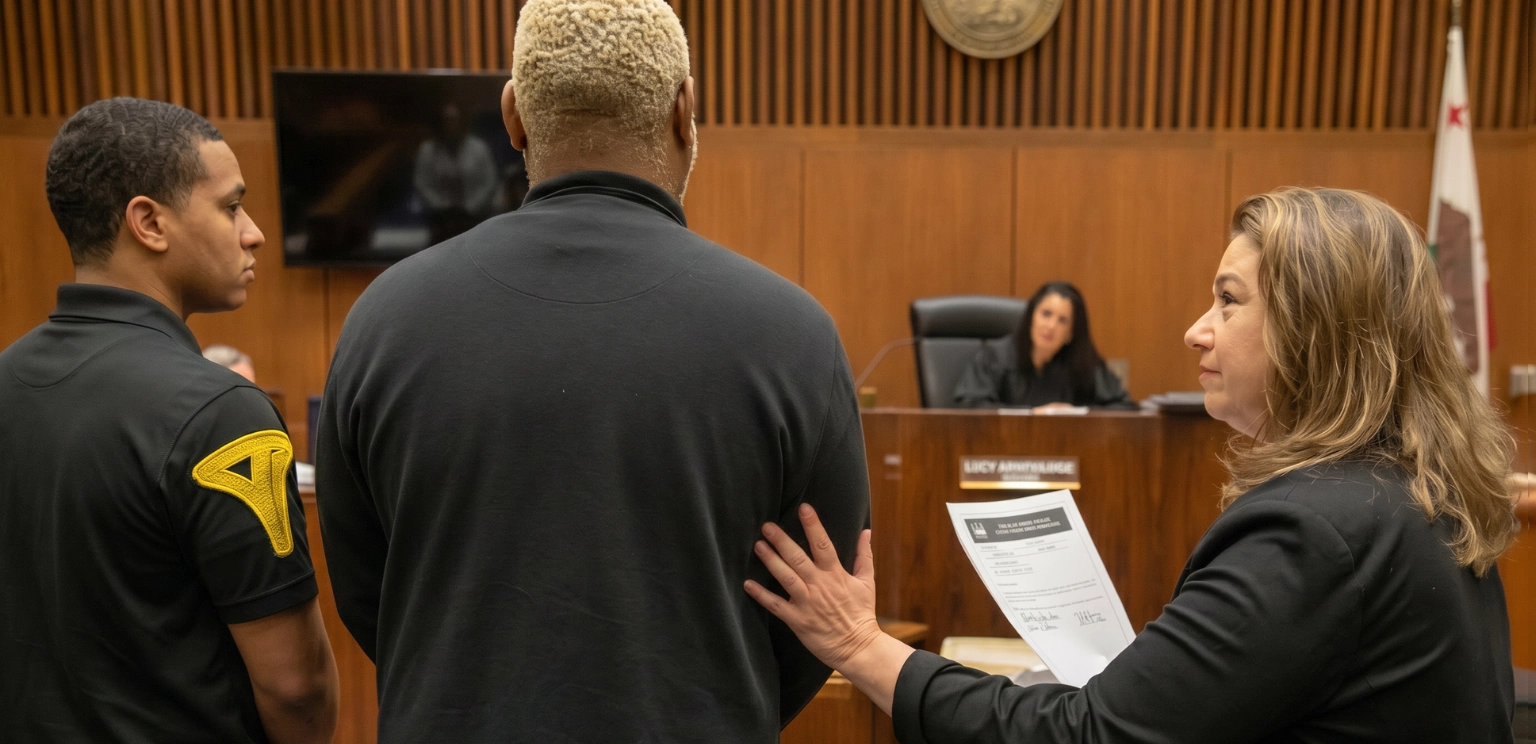
Case Overview A prominent Houston criminal defense attorney contacted our agency representing ...

Case Overview When a Houston business owner discovered $20,000 missing from his ...

Case Overview Marcus was 22 years old and sitting in a Harris ...
Trust is most of this decision and we know it. See what Houston clients have shared about working with Terrance Private Investigator & Associates. Rated 5.0 on Google with 600+ verified reviews.
Witnesses do not stay inside one zip code. An address in the file is downtown, the current one is in Katy, the employer is in Pasadena and the relative who answers the door is in Spring. We work the whole metro and the counties around it, and we follow a trail out of state when that is where it goes.
Most people who contact us about a Houston witness location investigation are working to a date and want to know three things quickly: how long, how much, and whether the result will hold up. Here are the honest answers.
Most single-subject locates resolve within a few business days where the identifiers are reasonable. A common name, a thin file or an out-of-state trail takes longer, and field verification adds time because an investigator has to physically confirm the address. We give you a realistic timeline at the outset rather than an optimistic one.
Most are quoted as a flat case rate, so the figure can go straight into a matter budget before work starts. Hourly is honest where identifiers are thin, where disambiguation is most of the job, or where field verification and canvassing are required. We tell you which fits on the first call.
Yes. Address, residency, property, vehicle, corporate and court records are public or lawfully licensed, and a licensed investigator may research and verify them. The care sits around contact rather than location, because a witness is not obliged to speak with anyone and must never be pressured.
No, and any firm suggesting otherwise should worry you. We locate, verify and approach as you direct, identifying ourselves honestly. If a witness declines, we record that they declined with the date and circumstances and we stop. Pressuring a witness damages the testimony and risks a serious offence.
Where you ask us to, yes, and we recommend it whenever service or a subpoena depends on the result. A records match tells you somebody is associated with an address. Field verification tells you they are actually there now, which is usually the difference between service that works and a wasted attempt.
Yes. Where you need to show what was done to locate somebody, we can prepare a declaration setting out what was searched, when, through which sources, and with what result, including the jurisdictions that produced nothing. Whether it satisfies any particular standard is your call, not ours.
We work nationwide. Record sets differ by state and county, which affects timing and cost rather than whether it can be done, and field verification in another state is arranged through vetted local investigators. We agree the jurisdictions with you before starting.
That happens, usually because the identifiers were too thin to separate the person from others sharing their name. It is a real result rather than a failed one, and the documented record of what was searched is frequently exactly what a diligence declaration needs. We tell you early when prospects look poor.
Whether it is a name on a witness list or a person who has moved twice since the incident, the first conversation is confidential and costs nothing. Tell us what identifiers you hold and we will tell you honestly what can be established.