
Is Surveillance Legal in Austin?
Yes, within limits. The limits are what separate usable documentation from a ...
Somebody is telling one version of events and the facts may be different. Austin surveillance documents what actually happens, from public places, with dates, times and video that stands on its own.
1
If you are reading this, you probably need to establish something that everyone involved is willing to dispute. An injury claim that does not match the activity. An employee who is somewhere other than where they say. A party to a case whose account keeps shifting each time it is told.
Austin surveillance is patient, unglamorous work. Investigators observe from public vantage points, document what occurs with time-stamped video and photographs, and produce a chronological record of what was seen and when. No speculation, no theories, no investigator asking anyone to take his word for it. Evidence over assumptions, every time.
Across 17+ years and more than 800 closed cases, the thing that decides most surveillance is not equipment. It is planning: knowing when the activity actually happens, which way the subject leaves, and how far apart the pieces of their day sit. In Central Texas that last point matters more than people expect.
We will be honest about what surveillance can establish before you spend anything. If the schedule you describe gives no realistic window, we will say so on the first call rather than after the invoice, and we do not promise to document anything.
We work Travis, Williamson, Hays, Bastrop and Caldwell counties as one operating area, from Downtown and East Austin out through Zilker, Hyde Park, Westlake and Barton Creek, and north into Round Rock, Cedar Park, Georgetown and Pflugerville. See our Austin private investigator page for full coverage.
Most people picture a stakeout. In practice a Central Texas session is mostly driving, because the city runs on two arteries and almost everything crosses one of them.
What you receive is a chronological log tied to time-stamped media. Departure and arrival times. Locations. Durations. Vehicles by make, model and plate where visible. Who else was present, described as observed. Activity that either supports or contradicts whatever is in dispute.
Just as importantly, the record states what was not observed. A period covered with nothing of note belongs in the report, because a document containing only the convenient observations invites an obvious question about what else was watched, and opposing counsel will ask it.
We do not interpret. We do not tell a carrier that a claim is fraudulent, or a court what somebody’s conduct means. We document, and the people whose job it is to decide, decide.
No two surveillance assignments run the same way, so we build each one around the subject, the window and what is realistically observable. Our work may include:
2
Surveillance is rarely the first step. It follows a dispute that has stopped moving, where one side has an account and the other has nothing to test it against.
At Terrance Private Investigator & Associates we document observable activity so a decision rests on record rather than assertion. We do not tell you what we think it means, and we are equally direct when what we observe supports the other side.
3
What 17+ years of Austin surveillance has taught us, written for the person deciding whether documentation is the right next step.

Yes, within limits. The limits are what separate usable documentation from a ...
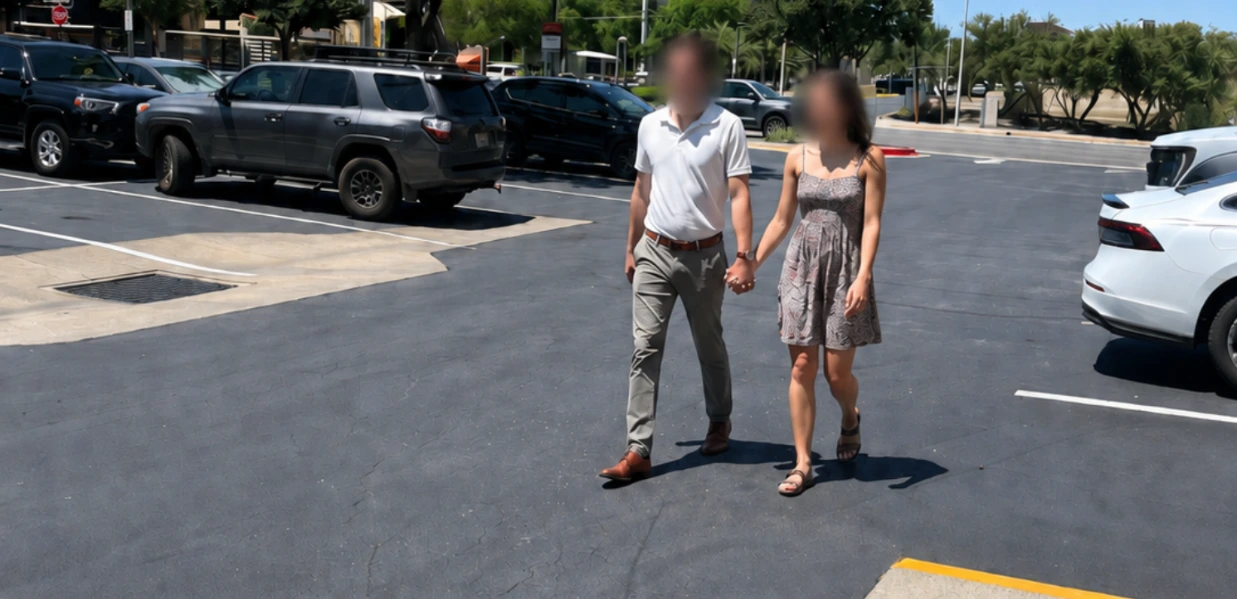
Four questions separate a firm that plans assignments from one that ...
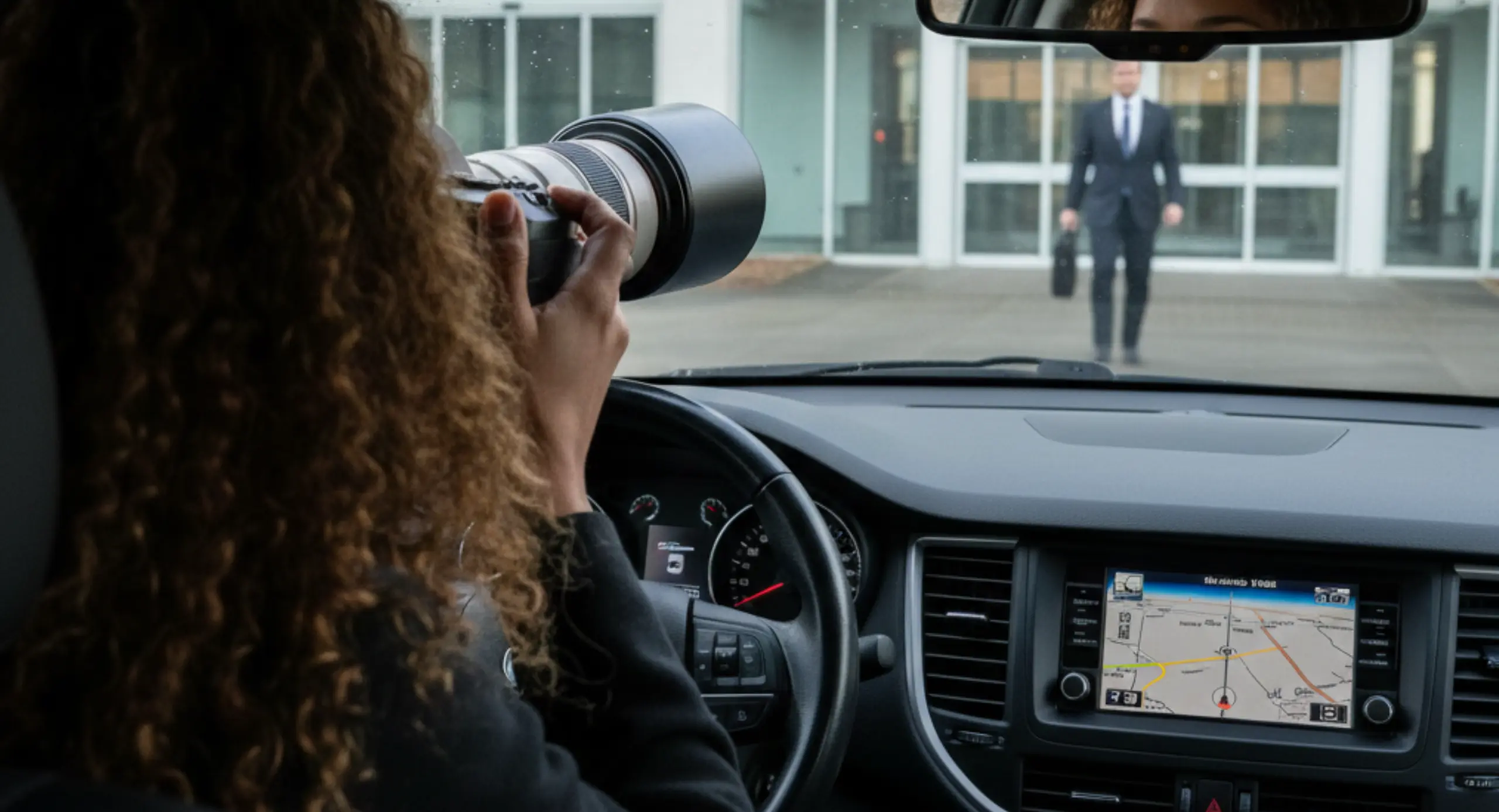
It succeeds or fails on defensibility. A convenient clip is what opponents ...
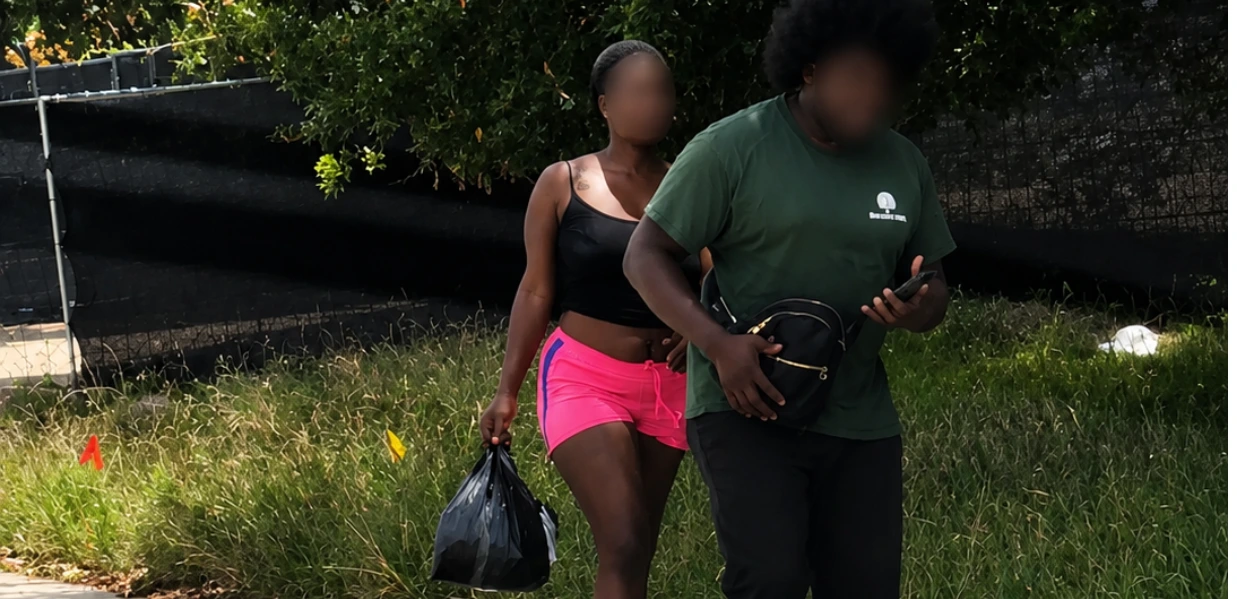
Priced in field hours, and in Austin the drive is a large ...
4
5
Licensed by the Texas Department of Public Safety under A30913601, working Austin and Central Texas assignments since 2009.
on Google across more than 600 verified client reviews. Ask any Austin firm you are considering how many they have.
We plan and staff for long follows on congested corridors and across county lines, including a second investigator where one vehicle cannot hold coverage.
We document the surrounding period rather than a convenient clip, and we record the quiet hours. Selective footage is what opponents attack.
No trespass, no recording conversations we are not party to, no unauthorised tracking, no account access. Every method is one we can explain in a courtroom.
Surveillance that is noticed has failed regardless of what it captured. We disengage rather than press, every time.
6
Yes, within limits, and the limits are what separate usable documentation from a liability.
Observation and recording from public places, where there is no reasonable expectation of privacy, is lawful in Texas when carried out by a licensed investigator. That covers a subject leaving a driveway, driving on public roads, entering and leaving businesses, and activity visible from a public vantage point. Terrance Private Investigator & Associates is licensed by the Texas Department of Public Safety under License #A30913601.
What falls outside it:
The relevant restrictions sit in the Texas statutes. This is general information rather than legal advice, and your attorney is the person to advise you on your own matter.
Most firms will not put anything about cost on the page. The honest answer is that surveillance is priced on investigator hours in the field, and that the hours are driven by geography and by how well the window is known.
Hourly is the standard structure. Cost tracks how many hours are worked and how many investigators the route requires, and we agree a ceiling in advance that we do not exceed without your approval.
By the case works where the question is defined: a specific day documented, a residence verified, or a set number of sessions across an agreed period. You get one number before we start, which is easier to place in a claim file or a matter budget.
The Austin factor is real and it is the thing most quotes get wrong. This city runs on I-35 and MoPac, and almost every route of any length uses one of them. A follow that would take fifteen minutes at ten in the morning can take fifty at half past four, and a subject who slips two lights ahead on I-35 through the central corridor is frequently gone for the evening. That is not padding, it is why some assignments genuinely need two investigators rather than one.
Growth compounds it. A great many people who work in Austin now live in Round Rock, Cedar Park, Georgetown, Pflugerville, Kyle or Buda, which means a single day crosses from Travis into Williamson or Hays and back. Where clients save money is precision: a session booked against a known window is a fraction of the cost of open coverage.
8
A large share of this work comes from carriers, adjusters, self-insured employers and corporate counsel, and it runs to different expectations from a private client.
For claims work, what matters is defensibility. Activity documented must be capable of surviving a challenge, which means continuous context rather than a convenient clip, clear time stamps, and a log that records the quiet hours as well as the productive ones. Footage of somebody lifting something, with no record of the surrounding period, is the kind of material that damages a file rather than supporting it.
For employers, the usual questions are secondary employment during leave, misuse of company vehicles or time, and conduct that conflicts with a policy. We document activity. We do not advise on employment decisions, and where a matter starts to look like it needs a consumer reporting agency or an employment lawyer rather than an investigator, we say so.
We are also careful about what we will not claim. We do not characterise a claim as fraudulent, we do not describe footage as conclusive or admissible, and we do not offer views on how an adjuster, a court or a hearing officer should treat anything. Those determinations belong to the people making them.
9
Counsel engages us where a fact is contested and there is currently nothing but competing accounts.
Scope is agreed at the outset and we do not expand it without authorisation. Reports are chronological with time-stamped media so they can be reviewed quickly rather than reconstructed, and we can provide a declaration of observation where you need one. Where a case has a filing, mediation or hearing date, tell us at the start, because it changes how sessions are sequenced.
We will not tell your client that documentation guarantees an outcome, characterise material as admissible, or offer opinions on how a Travis County court will weigh anything. An investigator who strays into those creates a problem you have to clean up on cross-examination.
If you want to talk through whether surveillance is the right instrument before recommending it to a client, that conversation costs nothing. See our attorneys and legal professionals page.
10
Clients rarely ask this before engaging, and it decides whether the work survives scrutiny.
Every assignment closes with a written report. It opens with what was requested and the scope worked to, then a chronological log with dates, times, locations and durations. Time-stamped video and photographs are referenced against the corresponding log entry rather than supplied as a loose folder. Vehicles are identified by make, model and plate where visible, and other people are described as observed.
Periods with no activity of note appear in the record with the hours they took. That is not padding, it is what makes the document defensible, and a report containing only adverse observations is one an opponent will attack on exactly that basis.
Everything is delivered in a format an attorney or an adjuster can work with directly, in declaration form where required, and nothing in it depends on taking an investigator’s word for what happened.
11
Most clients have already tried something. A few of those attempts make surveillance considerably harder.
Do not confront the subject. Once somebody knows they are being questioned, the behaviour moves. Whatever you were going to document becomes more expensive or disappears.
Do not follow them yourself. You will be recognised, and on a road network where everyone funnels onto the same two highways it happens faster than people expect. A documented allegation that you were following somebody outlasts anything you observed.
Do not rely on social media alone. Posts are undated, cropped and frequently old. They are a reason to look, not a substitute for looking.
Do not commission open-ended coverage without a window. Hours spent discovering a routine cost the same as hours spent documenting it, and the first can often be replaced by information you already have.
Do write down what you already know. Days, times, vehicle, addresses, what is claimed and what you have observed yourself, with dates. That page is what turns an expensive search into an efficient session.
12
Covert surveillance that gets noticed is a failed assignment, whatever it recorded, and we treat it that way.
Investigators work in unmarked vehicles, position for the exit route rather than the front door, vary approach between sessions, and disengage rather than press when traffic or a quiet residential street makes a follow conspicuous. Losing a subject and re-acquiring them at a likely destination is a better outcome than being seen, and any firm claiming it never loses anyone on I-35 is not being straight with you.
We do not contact the subject, speak to neighbours, or do anything that signals to them or to an opposing party that a case is being worked. Where an assignment cannot be run without a meaningful risk of exposure, we tell you before we start rather than gamble with it.
On your side, the ordinary risks apply. Discussing an assignment with colleagues, relatives or on a shared account is how subjects learn they are being watched, and it happens more often than any investigator being spotted. We will agree how findings reach you and what goes in writing.
If you are weighing whether surveillance is the right step in Austin, a confidential consultation costs you nothing and may save you from a decision that is difficult to undo. Contact us at 512-900-5407, email getanswers@piterrance.com, or read more on our Austin surveillance investigations page. When you are ready, you can start a case online.
13
A confidential consultation costs nothing, and we will give you an honest read on what Austin surveillance could realistically document given the window you can describe, including when the honest answer is that the schedule offers little chance of producing anything useful.
Real cases, real outcomes. To protect client privacy, names and identifying details have been changed or omitted.
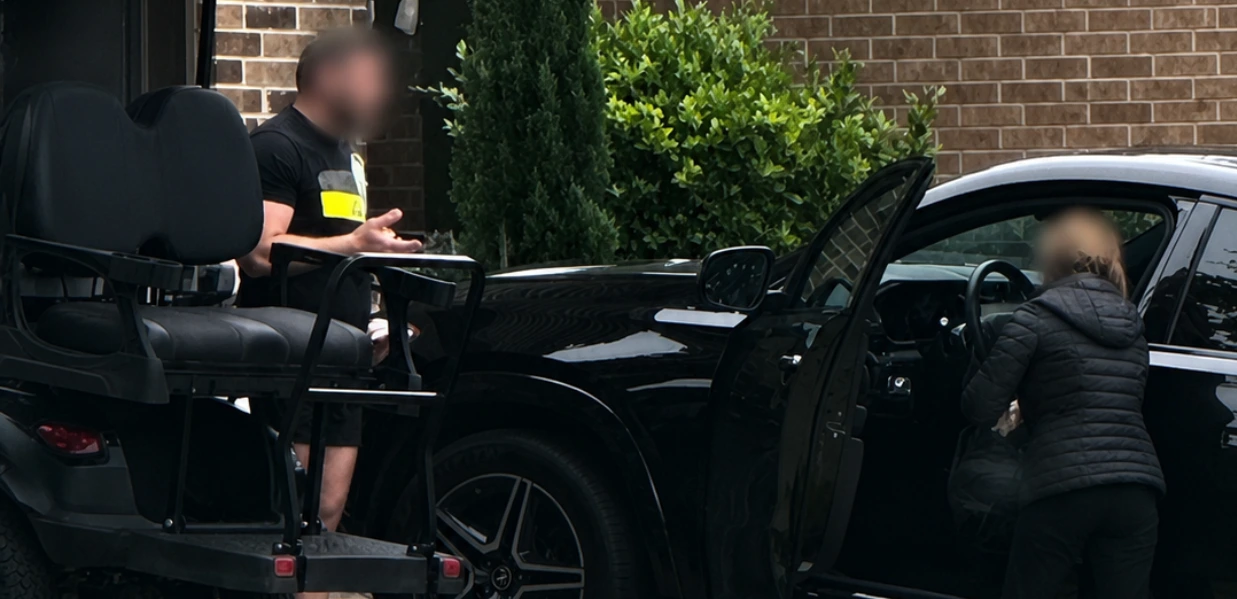
She thought she knew his life. Our infidelity investigation Houston team spent ...
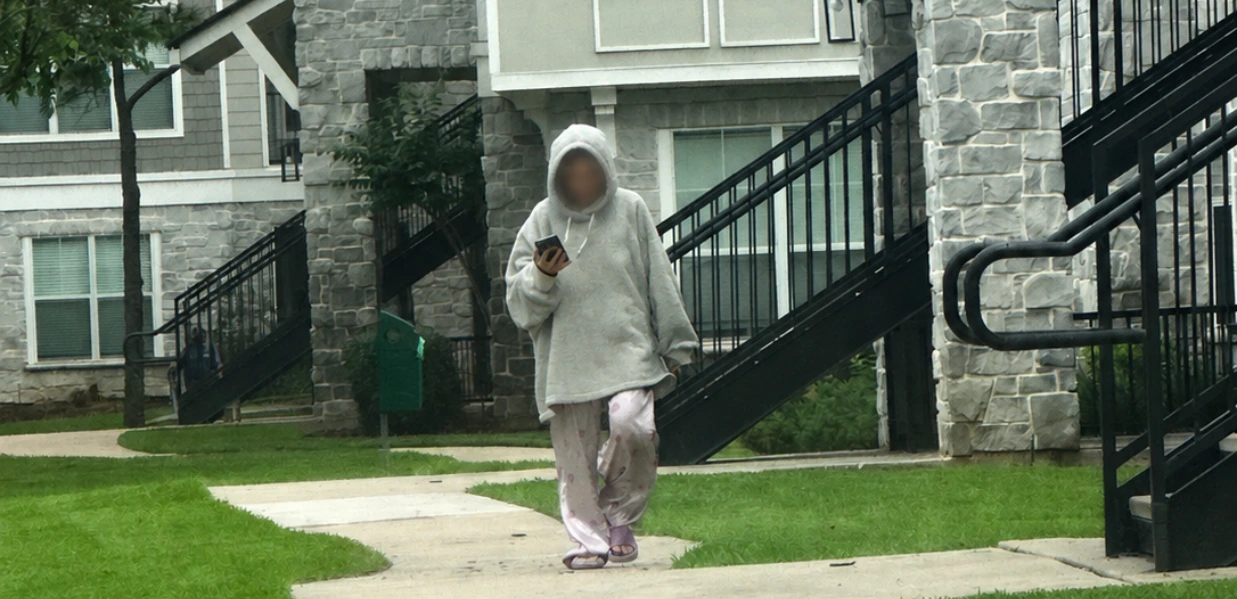
A spouse needed to know where Layla was actually living and who ...
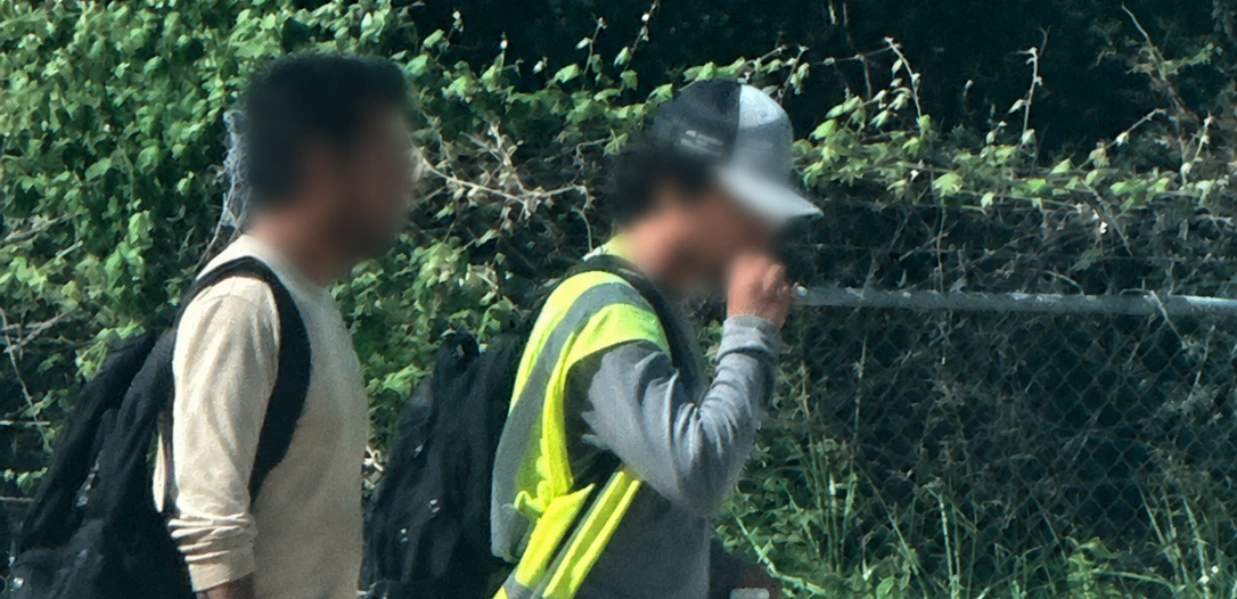
A concerned father wanted to know who his daughter was dating. Our ...
Trust is most of this decision and we know it. See what Austin and Central Texas clients have shared about working with Terrance Private Investigator & Associates. Rated 5.0 on Google with 600+ verified reviews.
Surveillance does not stay inside one city here. A subject who starts in Round Rock, works in the Domain and finishes on Rainey Street has crossed a county line and both major highways before dinner. We cover Travis, Williamson, Hays, Bastrop and Caldwell counties as one operating area, and we plan routes around I-35 and MoPac at the hour that actually matters rather than around a map.
Most people commissioning Austin surveillance for the first time ask the same things: what it costs, whether it is legal, and whether the subject will notice. Here are the honest answers.
Yes, when conducted from public places where there is no reasonable expectation of privacy, by a licensed investigator. What is not lawful is trespass, recording into a private area, recording a conversation you are not party to, unauthorised vehicle tracking, or accessing accounts and devices.
It is priced on investigator hours in the field, with a ceiling agreed in advance. A defined assignment can be quoted as a case rate. Travel time on I-35 and MoPac affects the hours more than most people expect, and some routes need two investigators to hold coverage without becoming obvious.
Not if the assignment is run properly. Investigators work in unmarked vehicles, vary position, and break a follow rather than press it when exposure becomes likely. The more common leak is on the client side, through discussing the matter with colleagues or family.
Because a long follow through the central corridor at peak hour frequently cannot be held by one vehicle without sitting close enough to be noticed. Where a route runs between Travis and Williamson or Hays counties, the second investigator is often the difference between documentation and a lost evening.
No. We observe from public vantage points and do not record into private areas, through windows or over fences. We document arrivals, departures, durations and activity visible publicly, which is usually what the matter turns on.
That appears in the report as a covered period with no activity of note, along with the hours it took. It is a real result, and in claims work an uneventful record is frequently as useful as an eventful one.
Whether any material is admitted is a decision for the court and your attorney, never for us. Our responsibility is to gather and document lawfully and continuously so nothing fails on a technicality we could have prevented.
It depends entirely on how well the window is known. A precise routine can sometimes be documented in one session. An unknown pattern usually needs several, and we will tell you honestly at the outset when the schedule offers little realistic chance.
Whether it is a disputed claim, an employment matter or a family case, the first conversation is confidential and costs you nothing.