

To request a welfare check in Atlanta, dial 911 if there is any chance the person is in danger right now. If it is a worry and not an emergency, contact the police agency that covers the street where they live and ask for an officer to look in on them. There is no charge. Inside the city limits that agency is the Atlanta Police Department. In Sandy Springs, Roswell, Alpharetta, Dunwoody, Marietta or Decatur it is that city’s own department, and in the unincorporated parts of the metro it is a county police department or a sheriff’s office. Before you call, have the exact address, the person’s full name and date of birth, the last time anyone heard from them, and a plain account of what has you worried.
Which agency do you call for an address in metro Atlanta?
In an emergency the answer is always 911. For everything else, the address decides who responds. A mother in a Buckhead condo and a brother in Old Fourth Ward are both served by Atlanta Police. A father in Marietta is served by Marietta Police, but a few miles away in unincorporated Cobb County it is the county police department. Kennesaw and Lawrenceville have their own departments too, and in Cherokee and Forsyth counties it is mainly the sheriff’s office. If you are unsure, phone the agency you think is closest and ask who covers the street.
What should you have ready when you request a welfare check in Atlanta?
Dispatch will ask a predictable set of questions, and having the answers written down keeps you steady. They want the full address with any unit number and gate code, the person’s name, age and description, and a phone number for them and for you. They will ask when anyone last spoke to them, whether they live alone, and whether there are dogs or firearms in the home. They will ask about medical conditions, mobility and memory.
Then comes the part most callers rush. Say exactly why you are worried. In our experience working hundreds of cases nationwide, the calls that get a prompt and careful response have a concrete reason attached. One caller says her uncle is not picking up. Another says her uncle is 81, lives alone in Cascade Heights, takes insulin, has texted her every morning for six years, and has been silent since Sunday while his car sits in the drive. We have seen how much difference that second kind of call makes.
If you are already past the point where one more unanswered call will settle your mind, a confidential conversation with us costs nothing and commits you to nothing.
What will the officer do, and what falls outside the job?
An officer goes to the address, knocks, and looks at what any visitor would notice. If the person comes to the door, the officer talks with them and judges whether anything needs immediate attention. Where the circumstances give real reason to think someone inside needs emergency help, officers may be able to go in, and they can bring paramedics. No investigator has that authority.
The limits are just as real. An officer is not coming back next Tuesday. And if a capable adult opens the door, says they are fine and asks to be left alone, the visit is over. After 17+ years of this work, what we see most often is a family told only that contact was made, and left wondering what that means.
When is Georgia Adult Protective Services the right call instead?
Some worries are not about one silent weekend. If you suspect an older relative or an adult with a disability is being mistreated, neglected or drained of money, and they live in their own home or with family, that is a matter for Georgia Adult Protective Services. It sits within the Georgia Department of Human Services and does not charge families. Georgia law lets anyone with reasonable cause to believe an adult is being abused, neglected or exploited make a report, and requires certain professionals to. You do not need proof. You need an honest reason.
Two things surprise people. First, the programme covers adults living in the community. For someone in a nursing home or personal care home, complaints about care go to Healthcare Facility Regulation at the Georgia Department of Community Health, and the Long-Term Care Ombudsman is the advocate for residents. Second, protective services generally cannot be imposed on an adult who understands the situation and says no. Where a person can no longer make or communicate responsible decisions about their health or safety, the route is a guardianship petition in the probate court of their county, and that is a question for a Georgia attorney.
Where does a private investigator fit, and where do we not?
After the free options, not before them. Most people who request a welfare check in Atlanta should begin with the police, and many never need anything else. We have found that families come to a private firm for one of four reasons. They need a written, dated account of what was observed. They need the visit repeated so that a pattern shows. They need it at a particular time of day. Or they feel a patrol car outside a parent’s house on a quiet Decatur street is more than the situation calls for.
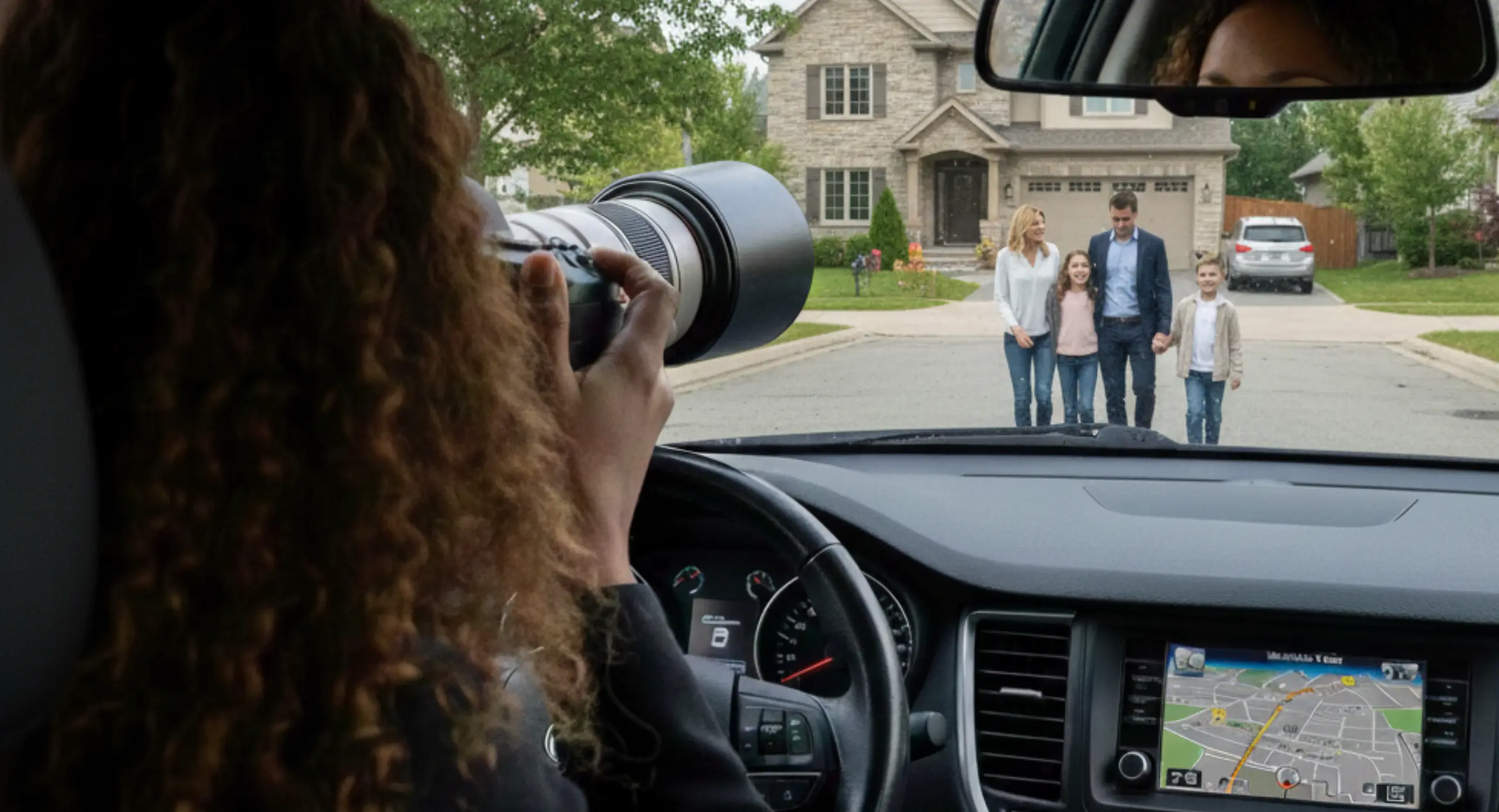
In practice, an investigator arrives in ordinary clothes and an unmarked car, and before knocking takes in the things that tell a story over time: newspapers on the step, a full mailbox, an overgrown yard at a house that was always neat. They knock and talk with the person if they are willing. You hear from us by phone the same day and the written report follows. Our investigators have learned that the details families value most are small ones, such as whether the person came to the door dressed and steady.
Here is what we cannot do. We cannot enter a home without permission, and we will not look through windows or walk around to the back. We are not clinicians, so our reports describe what was observed and stop there, with no opinions about health, memory or state of mind. If someone tells us they do not want contact, we note it, tell you exactly that, and leave. If it looks like an emergency, we call 911 from the doorstep before we call you. Georgia requires private detective businesses to hold a state licence, so confirm any firm’s licence with the Georgia Secretary of State’s office before you hire. How we handle these visits is set out on our Atlanta wellness check investigations page.
What should you do in the next hour?
If there is danger, call 911 now. If there is not, write down the facts described above, find the agency for the address, and make the non-emergency call today. Ask the dispatcher whether the officer can phone you afterwards.
Our guide to what an officer actually does during a welfare check explains the visit, the piece on what a private wellness check costs covers the money, and if this is really about a mother or father who is slowly changing, read how to keep an eye on an ageing parent from a distance. For an example of a family’s fear being settled quickly, read about the missing elderly mother case that brought relief in ninety minutes. Our coverage is described on the Atlanta private investigator page. We never promise an outcome.
Frequently Asked Questions
Is a police welfare check free in metro Atlanta?
Yes. Police agencies do not bill families for looking in on someone, and Georgia Adult Protective Services does not charge for investigating suspected abuse, neglect or exploitation of an older or disabled adult. A private documented check is paid work, and it only makes sense when you need a written record or repeat visits.
Will the police tell me what they found?
Usually you will learn that contact was made and whether the person appeared safe. Beyond that, expect little. An adult who manages their own affairs is entitled to privacy, and officers generally will not describe the home or the conversation. Families who need that detail in writing often contact us.
What if my relative lives in a nursing home or personal care home?
Start with the facility’s administrator and ask directly. If you are worried about the standard of care, Healthcare Facility Regulation at the Georgia Department of Community Health takes complaints, and the Long-Term Care Ombudsman advocates for residents. Adult Protective Services handles concerns about adults living in the community.
What if they answer the door and refuse help?
Then, in most cases, that is their decision to make. Neither an officer nor an investigator can overrule an adult who understands their situation. If you believe they can no longer make safe decisions, talk to a Georgia attorney about probate court guardianship, and keep a dated record of what you notice.
If someone you love in Atlanta has gone quiet and you are not sure which of these routes fits, talk it over with someone who does this work every week. The consultation is free, confidential and without obligation. Call 404-671-3292 or read more on our Atlanta wellness check services page.