
Court-ready documentation is what separates information that is merely interesting from evidence that can be reviewed, tested, and relied upon. Anyone can take a photograph, save a message, or write down what they remember. Far fewer people can show how it was collected, when, by whom, and whether it has changed since.
That difference matters in divorce, custody, employment, insurance, and civil matters. This guide explains what makes evidence hold together under scrutiny, and what quietly weakens it.
What Court-Ready Documentation Actually Means
The phrase can be misleading. Court-ready does not mean a judge will automatically accept every item. Whether something is admitted is decided by the court, based on the facts and the rules that apply.
What it does mean is that the documentation was created in a way designed to be reviewed and questioned. The record is organized, accurate, and honest about its limits.
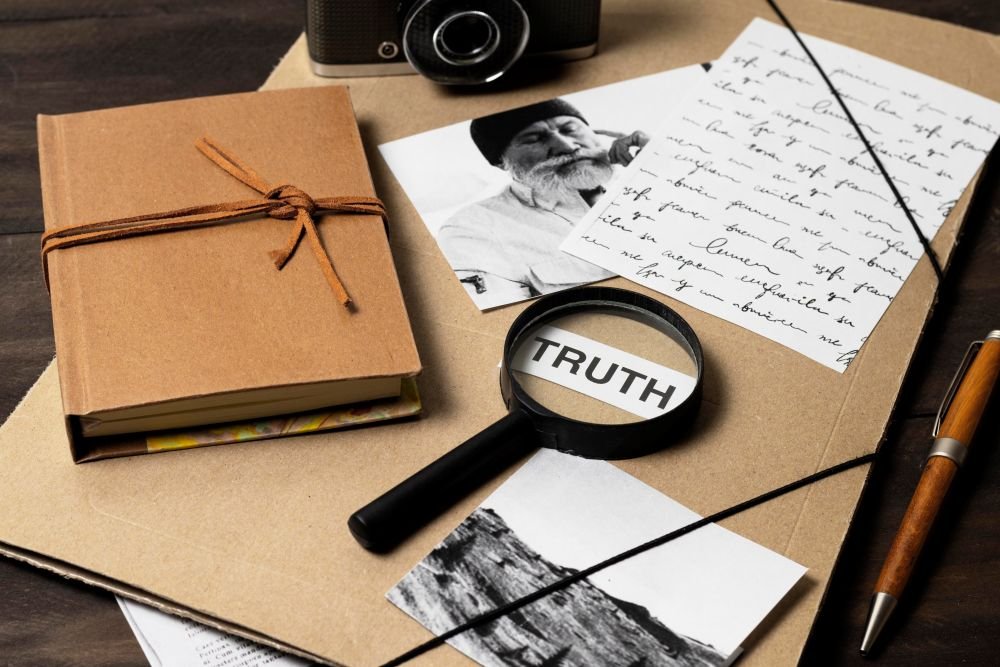
Think of it as building a record another person can follow. If someone else can trace each step, they can test it, and a record that survives testing carries more weight.
[Suggested image: an investigator organizing dated notes and photographs into a case file | Alt text: “court-ready documentation organized for review”]
Why Documentation Decides Whether Evidence Sticks
Evidence usually has to be authenticated, which means showing that it is what it claims to be. Texas Rule of Evidence 901 states that the proponent must produce evidence sufficient to support a finding that the item is what the proponent claims it is.
A photograph with no information about who took it, where, and when makes that showing difficult. A message with no record of how it was captured invites doubt.
Strong documentation answers those questions before anyone asks them. It turns a loose item into something with a source and a history.
The Core Elements: Who, What, When, Where, and How
Good documentation answers five basic questions for every piece of evidence. Who collected it, and who was involved? What was observed or obtained?
When did it happen, and when was it recorded? Where did it happen? How was it collected, preserved, and handled afterward?
If any of these are missing, the record has a gap. A careful investigator fills them in from the start rather than reconstructing them later.
Contemporaneous Notes in Court-Ready Documentation
Notes written at the time of an event are far more reliable than memories recorded weeks later. Details fade, and the mind fills gaps without being asked.
Contemporaneous notes capture what was seen, in the order it happened, with times and locations. They record what was observed, not what the writer assumed.
Notes should be kept, not rewritten. If something needs correcting, a good practice is to add a dated correction rather than erasing the original.
Dates, Times, and Locations
Precision is one of the simplest ways to strengthen a record. Vague entries such as “afternoon” or “near the store” leave room for doubt.
Specific dates, times, and addresses let another person verify the account. They also help connect separate items, such as a photograph and a set of notes, into one consistent picture.
Time can be tricky. Devices can display the wrong time or time zone, so a careful investigator notes how times were recorded and checks them when it matters.
Preserving Original Files
Original files are more valuable than copies. A photograph straight from a camera, a video as recorded, or a message as it exists on a device carries information that edited or forwarded versions can lose.
Preservation means keeping those originals intact. Do not crop, filter, compress, or rename the only copy. Work from duplicates when review or editing is needed.
This is also why a screenshot of a message is usually weaker than the original content. The original can show details a picture of a screen cannot.
Chain of Custody
Chain of custody is the record of who handled evidence and what they did with it. It begins at collection and continues until the evidence is used.
Each step is documented. Who collected it, where it was stored, who accessed it, and when it was transferred should all be recorded.
When the chain is clear, there is less room to argue that the evidence was altered or mixed up. When it has gaps, the other side has an easy question to ask.
Confirming the Right Person
Documentation is only useful if it points to the right person. A photograph of someone at a location means little if the identity is uncertain.
A careful investigator confirms identity before attributing activity to anyone. That may involve comparing multiple identifiers, such as known addresses, vehicles, and other verified details.
An unverified identification should never be presented as a finding. If identity could not be confirmed, a good record says so plainly.
Objective Language: Facts Versus Opinions
How something is written matters as much as what it says. Reports should describe observations in neutral terms.
“The subject entered the building at 2:14 p.m. and left at 3:02 p.m.” is a fact. “The subject was clearly hiding something” is an opinion that invites challenge.
Objective language also builds credibility. A reader who sees restraint and precision is more likely to trust the rest of the report.
The Written Report in Court-Ready Documentation
The report ties everything together. A strong one states the question investigated, the scope, and the methods used.
It presents findings in order, with dates, times, locations, and references to supporting photographs, video, or records. It separates confirmed facts from leads and states what could not be verified.
It should be readable by someone who was not there. If an attorney, a judge, or an opposing party can follow it, the report is doing its job.
Photographs and Video
Visual evidence is powerful, and easy to weaken. Photographs and video should show enough context for a viewer to understand what is happening and where.
Original files should be kept unedited, with notes about when and where they were captured. If still images are taken from video, the method should be recorded.
Gaps matter. If recording stopped and started, the record should explain why, so no one has to guess what happened in between.
[Suggested image: an investigator reviewing original video files with timestamped notes | Alt text: “court-ready documentation of photographs and video”]
Digital Evidence
Digital material needs extra care because it is easy to change without noticing. Opening, forwarding, or moving files can alter details such as dates and properties.
Professionals follow established practices for preserving digital evidence and documenting how it was captured. The Scientific Working Group on Digital Evidence publishes guidance that reflects those practices.
For most people, the key habits are simple. Keep the original device and data, avoid deleting or editing anything, and note where and when content was captured.
Why Consistency Builds Credibility
Consistency across the record is one of the strongest signals of reliability. When notes, photographs, video, and the final report all tell the same story, the account is easier to trust.
Inconsistencies, even small ones, give an opposing party something to press on. A time that differs between a note and a file, or a location described two different ways, can raise questions that distract from the substance.
That is why careful investigators review their own records before finalizing a report. They check dates against files, confirm spellings and addresses, and correct errors openly rather than quietly.
Working With Attorneys
Documentation exists to serve the legal process, and attorneys decide how it will be used. They can advise on what will be needed and how to present it.
Early coordination helps. An attorney can tell an investigator what questions matter, what format is useful, and whether testimony may be needed.
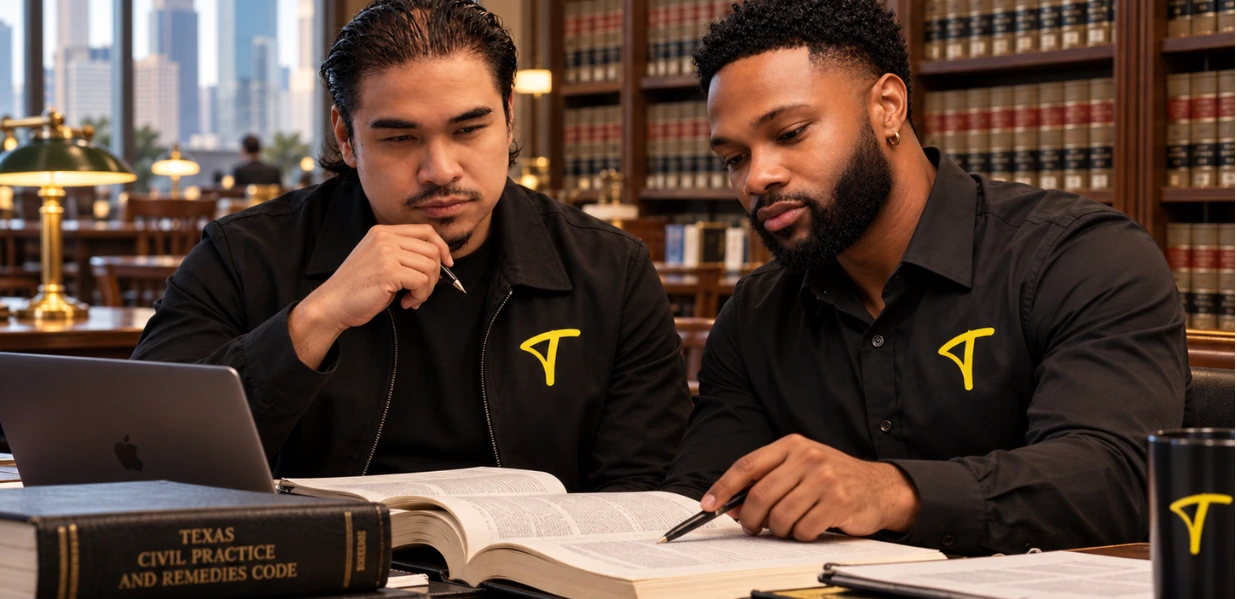
An investigator who documents well can also explain the work clearly if asked. Clear notes and organized files make that far easier.
What Weakens Court-Ready Documentation
A few common problems appear again and again. The most frequent is missing originals, where only a copy or screenshot remains.
Others include unclear dates and locations, undocumented handling, edited or cropped files, and notes written long after the fact. Speculation mixed with facts is another, along with identification that was never verified.
Illegally obtained material can create even bigger problems. Evidence gathered through unlawful methods can be excluded and can create legal exposure.
What Clients Can Do to Help Evidence Stick
You play a role long before an investigator is involved. Keep original messages, emails, photographs, and documents, and do not delete or edit them.
Write down what happened soon after, with dates, times, and places. Note who else was present. Keep a simple timeline.
Avoid confronting people or collecting information in ways that cross legal lines. Then speak with your attorney, and consider a licensed investigator when the evidence matters to the outcome.
What We Will and Will Not Do
Terrance Private Investigator & Associates documents investigations using lawful methods and clear records. We note what we observed, what we verified, and what we could not confirm.
We will not hack accounts, access private messages without lawful authority, trespass, impersonate others, or use unlawful methods. We also do not promise that any item will be admitted, because that decision belongs to the court.
Frequently Asked Questions About Court-Ready Documentation
What does court-ready documentation mean?
It means evidence is collected and recorded in a way designed to be reviewed and tested, with clear information about who collected it, when, where, and how. Whether a court admits it is a separate decision.
Can an investigator guarantee my evidence will be admitted?
No. Admissibility is decided by the court. A licensed investigator can document carefully so the record is organized and reviewable.
Why are original files so important?
Originals preserve details that copies and screenshots can lose, such as dates and properties. They are also easier to authenticate.
What is chain of custody?
It is the record of who handled evidence and what they did with it, from collection until it is used. A clear chain reduces arguments that evidence was altered.
Should I talk to an attorney first?
If the matter may involve litigation, custody, employment, or insurance, yes. Counsel can advise on what information is useful and how it should be handled.
Key Takeaway: Court-ready documentation makes evidence stick by recording who collected it, what was observed, when, where, and how, while preserving originals and showing a clear chain of custody. Contemporaneous notes, precise details, verified identity, objective language, and an organized written report all strengthen the record. No investigator can promise admission, since the court decides, but careful documentation gives your attorney something solid to work with.
Why Terrance Private Investigator & Associates
Terrance Private Investigator & Associates is a licensed Texas private investigation firm founded and led by Terrance J. Sanders. We serve individuals, attorneys, and businesses across Houston, Dallas, Austin, San Antonio, Las Vegas, and Atlanta.
We approach every assignment with careful, honest documentation. We separate confirmed facts from leads, note what we could not verify, and organize the record so your attorney can use it.
If the outcome of your matter depends on evidence, reach out to TPI. Good documentation starts on day one.
Clarity begins with facts, not assumptions.
Written by the TPI Content Team
Reviewed by Terrance J. Sanders, Licensed Texas PI
Resources
Internal: Services | Surveillance Investigations | New Case Request
External: Texas Rule of Evidence 901 | Federal Rules of Evidence, Article IX | Scientific Working Group on Digital Evidence
This article provides general educational information and is not legal advice. Consult a qualified attorney regarding legal questions involving your circumstances.