

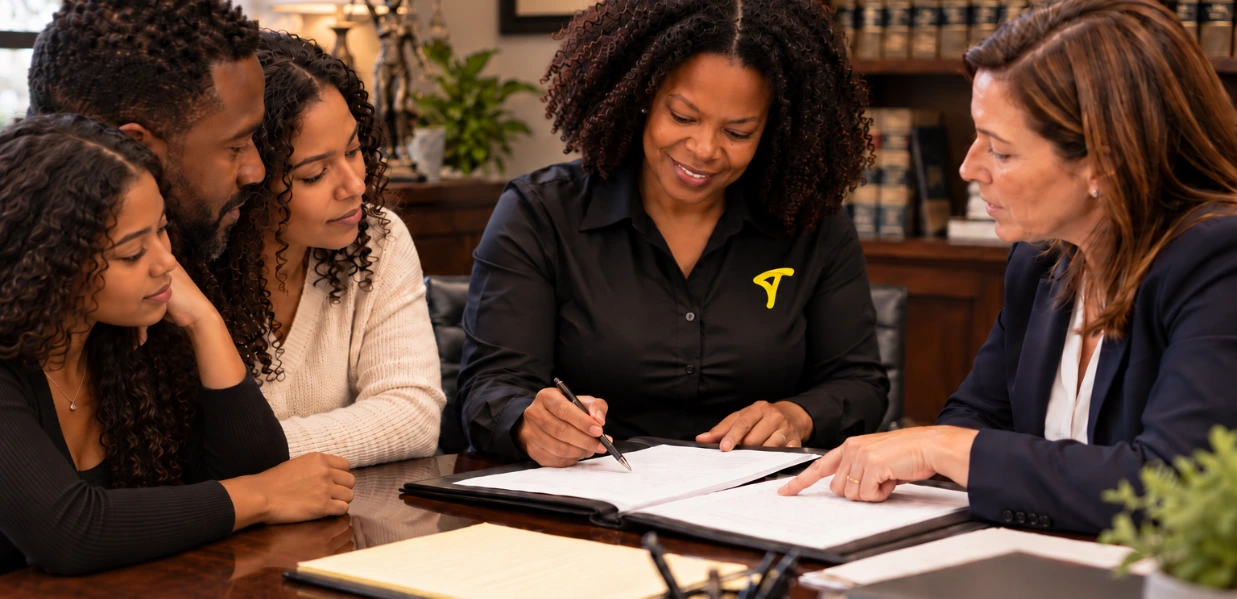
Criminal defense support begins with a simple idea: a defense is only as strong as the facts behind it. When someone is facing criminal charges, the stakes are as high as they get. Attorneys need information they can trust, and they need documentation that can withstand scrutiny.
A private investigator does not replace the defense attorney. The investigator works alongside counsel to find, verify, and document facts so the attorney can make informed decisions.
This guide explains what that support looks like, what separates reliable documentation from weak documentation, and where the limits are.
What Criminal Defense Support Means
Criminal defense support is fact gathering and documentation performed to help a defense team understand a case. It can involve locating witnesses, documenting scenes, researching records, and organizing information into a clear picture.
The investigator does not decide the strategy, advise on legal questions, or argue the case. Those responsibilities belong to the attorney.
What the investigator provides is verified information. That means facts that have a source, a date, and a record of how they were collected.
[Suggested image: a defense attorney and an investigator reviewing case documents together | Alt text: “criminal defense support with verified information and documentation”]
Why Investigation Matters in Criminal Defense
Investigation is a core part of effective defense work. The American Bar Association’s Criminal Justice Standards for the Defense Function include a standard on the duty to investigate and engage investigators.
Those standards describe expectations for defense counsel and are aspirational. They reflect a widely held view that a lawyer cannot make good decisions about a case without understanding the facts.
The practical point is straightforward. If the defense does not gather facts early, it may never learn what they would have shown, and some evidence disappears with time.
Criminal Defense Support Starts With Counsel
In most cases, investigation for a criminal matter is coordinated through the defense attorney. The attorney decides what questions need answers, what work is appropriate, and how findings will be handled.
If you or a family member has been charged, the first step is to have an attorney. An investigator can then be engaged to support that attorney’s work.
Families sometimes want to start gathering information on their own. That instinct is understandable, and it should be guided by counsel, because well meant efforts can create problems if they are done the wrong way.
What Verified Information Looks Like
Verified information is more than something that sounds true. It is information that has been checked against reliable sources and recorded in a way that others can follow.
A verified fact has a clear source, such as a record, a recording, or a named witness. It has a date and time, and it has a description of how it was obtained.
It is also kept separate from opinion and assumption. A good report says what was observed, what was confirmed, and what remains unknown.
Types of Criminal Defense Support an Investigator Can Provide
The work depends on the case. Common types of criminal defense support include several categories.
Witness location and interviews. Investigators locate people who may have relevant knowledge and, when they are willing to talk, document what they say.
Scene documentation. Photographs, video, and notes can preserve how a location looked at a given time, which can matter when conditions change.
Records research. Public and legally available records can help verify identities, addresses, timelines, and background details.
Timeline development. Organizing known events by date and time can reveal gaps, inconsistencies, and questions worth pursuing.
Digital evidence preservation. Messages, posts, and files can be captured and documented in ways designed to preserve their source and context.
Why Early Action Helps Criminal Defense Support
Time works against the defense in several ways. Memories fade, witnesses move, surveillance footage is overwritten, and scenes change.
Starting early allows the team to preserve what exists before it is gone. It also gives the attorney more information when making decisions about strategy and negotiations.
Early action does not mean rushing or cutting corners. It means beginning the careful work of verification as soon as counsel decides it is appropriate.
Why Documentation Has to Hold Up
In a criminal matter, evidence is challenged. Documentation that looks fine in a quiet office can fall apart when someone asks hard questions about where it came from.
Courts expect evidence to be authenticated. Texas Rule of Evidence 901 states that the proponent must produce evidence sufficient to support a finding that an item is what the proponent claims it is.
That is why method matters. Strong documentation shows who collected an item, when, how it was handled, and whether it was altered. Whether any item is admitted is a decision for the court, but good documentation gives the attorney something solid to work with.
Chain of Custody and Original Files
Chain of custody is the record of who held a piece of evidence and what happened to it. When each step is recorded, another person can follow the history and test it.
Original files matter for the same reason. A photograph, video, or recording is more reliable when the original file is preserved with its details, rather than a copy that may have been edited or re-saved.
Contemporaneous notes help too. Notes written at the time events were observed carry more weight than notes reconstructed from memory later.
Witness Work Done Right
Witnesses are often central to a defense, and handling them carefully is essential. Investigators approach people respectfully, explain who they are working for, and make clear that participation is voluntary.
A willing witness’s account should be recorded accurately, in the witness’s own words as much as possible. Accurate documentation protects the witness, the attorney, and the integrity of the case.
Investigators do not pressure, intimidate, or coach witnesses. Any conduct that looks like influencing testimony can damage the defense and create serious legal problems.
[Suggested image: an investigator taking careful notes while interviewing a willing witness | Alt text: “witness interviews in criminal defense support”]
Digital Evidence and Criminal Defense Support
Much of today’s evidence is digital. Text messages, social media posts, photographs, and location information can all become important.
A screenshot alone is often weak. It can be edited, it may lack context, and it does not show the underlying data. Preserving the original content, along with where and when it was captured, makes it far easier to authenticate.
Acting early matters because digital content can disappear. Accounts get closed, messages get deleted, and devices get replaced. A qualified investigator can document what exists while it is still available, using lawful methods.
Timelines, Organization, and Clear Reports
Cases often involve large amounts of information. Police reports, records, statements, and recordings can be difficult to keep straight.
Investigators help by organizing information into timelines and clear written reports. A good report states the question, the methods, and the findings, and it separates confirmed facts from leads.
That organization helps the attorney see patterns, spot inconsistencies, and decide where to look next.
What We Will Not Do
Because this work is sensitive, the limits are important. We will not tamper with evidence, destroy or hide anything, or alter records.
We will not pressure or intimidate witnesses, hack accounts, access private communications without lawful authority, or trespass. We do not provide legal advice, and we do not promise outcomes.
If a request crosses a line, we say so and explain why. Protecting the integrity of the work protects the client.
Confidentiality and Counsel
Defense matters are sensitive, and confidentiality matters. When an investigator is engaged through an attorney, the attorney decides how information is handled and what may be shared.
Rules about privilege and work product are legal questions. Consult your attorney about how they apply to your case.
We handle every matter with discretion, and we coordinate closely with counsel so the work fits the defense strategy.
How Families Can Help Without Hurting the Case
Families want to do something, and there are helpful steps. Write down names, dates, places, and anything you remember, and give that information to the attorney.
Keep records safe and do not delete messages, photographs, or posts. Be careful about discussing the case on social media or in conversations that may be recorded, and ask the attorney what to avoid.
Do not contact witnesses or other parties to talk about the case unless the attorney advises it. Good intentions can be misread.
What to Expect When You Work With TPI
When an attorney or family member contacts us, we start by listening. We ask about the situation, the stage of the case, and what information the attorney needs.
We then explain what we can do, what may limit the result, and what the scope, timeline, and cost could look like. Everything is agreed in writing before work begins.
If we move forward, we follow the agreed plan, document each step, and report to the attorney. If a question belongs with counsel, we tell you plainly.
Choosing an Investigator for Criminal Defense Support
Start with licensing. Confirm the firm’s Texas license through the Texas Department of Public Safety private security search.
Ask about experience working with defense attorneys, how the firm documents its work, and how it handles confidentiality. Ask for a written scope and pricing structure before work begins.
Listen for honesty about limits. A trustworthy firm says what it can do, what it cannot do, and when a question belongs with the attorney.
Frequently Asked Questions About Criminal Defense Support
What is criminal defense support?
It is fact gathering and documentation that helps a defense team understand a case, including witness work, records research, scene documentation, and digital evidence preservation.
Can a private investigator work directly for a defendant?
Often the work is coordinated through the defense attorney. Consult your attorney about the best way to engage an investigator.
Does an investigator decide if someone is guilty?
No. An investigator documents facts and reports what was found. Legal conclusions and strategy belong to the attorney and the court.
What makes documentation hold up?
Clear sources, accurate dates and times, original files, contemporaneous notes, a record of who handled the material, and honest separation of facts from assumptions. Admissibility is up to the court.
What will an investigator not do?
An investigator will not tamper with evidence, pressure witnesses, give legal advice, use unlawful methods, or promise a particular result.
Key Takeaway: Criminal defense support gives a defense team verified information and documentation that can be reviewed and tested. A licensed investigator works alongside the attorney to locate and document witnesses, scenes, records, and digital evidence, using lawful methods, careful chain of custody, and honest reporting. Strategy, legal conclusions, and privilege decisions stay with counsel.
Why Terrance Private Investigator & Associates
Terrance Private Investigator & Associates is a licensed Texas private investigation firm founded and led by Terrance J. Sanders. We serve attorneys, businesses, and individuals across Houston, Dallas, Austin, San Antonio, Las Vegas, and Atlanta.
We approach every assignment with discretion and discipline. We start with the question that needs answering, build a lawful plan, document carefully, and tell you plainly what we found and what we could not confirm.
If you are an attorney or a family member of someone facing charges, contact TPI to discuss how verified information and clear documentation can support the defense.
Clarity begins with facts, not assumptions.
Written by the TPI Content Team
Reviewed by Terrance J. Sanders, Licensed Texas PI
Resources
Internal: Services | Who We Serve | New Case Request
External: ABA Criminal Justice Standards for the Defense Function | Texas Rule of Evidence 901 | National Association of Legal Investigators
This article provides general educational information and is not legal advice. If you or someone you know has been charged with a crime, consult a qualified criminal defense attorney.