

To find a witness for a court case in Dallas, start with identity rather than address. Most witnesses who appear to have disappeared have not. The file holds an address that is two moves old and a name common enough that nobody has separated the right person from the several others who share it. A licensed investigator works name variations, residency and employment history, property, vehicle and court records, then verifies the result before reporting it. A single-subject locate usually resolves within a few business days, and where service depends on it, an investigator confirms the address on the ground rather than from a database.
Here is what that actually involves, and where locates go wrong in this metroplex.
Why the address in your file is probably old rather than wrong
Aggregated data lags reality by months. A record showing somebody associated with an address is telling you where post went at some point, not where they sleep tonight. In our experience working hundreds of cases nationwide, the single most common reason a service attempt fails is that somebody treated a database hit as a confirmed address.
The second most common reason is quieter and worse. On a common surname, an aggregator will attach records belonging to several people to one profile with complete confidence. You receive an address, it looks clean, and it belongs to somebody else entirely. Nobody discovers this until a process server knocks and a stranger answers the door.
Neither failure announces itself, which is why the verification step matters more than the search step. A locate that cannot be explained is a locate that becomes an argument.
How we find a witness for a court case in Dallas
Identity first. We confirm who we are actually looking for using overlapping identifiers: a date of birth, former addresses, name variants including maiden names and middle initials, relatives and employment history. Only once the person has been separated from their namesakes does the address question begin.
Then residency and address history, employment, real property, vehicle registration, court and civil filings, and open source research. Each result is checked against the underlying record rather than the aggregator that indexed it. Where a locate supports service or a subpoena, an investigator verifies in the field, because confirming somebody is actually there is a different exercise from confirming a record exists.
Every finding is stated alongside the record it came from and the date it was confirmed. If a return of service is later challenged, or you need to show what efforts were made, the answer is already written down rather than reconstructed from memory.
If you are working to a date and the file has stopped producing answers, a confidential consultation costs nothing and carries no obligation.
The five-county problem nobody accounts for
DFW is not one records jurisdiction. Dallas, Tarrant, Collin, Denton and Rockwall counties each hold their own court, property and assumed-name records, and a witness who moves from Oak Cliff to Plano has crossed a records boundary without going far at all.
That is the thing most locates get wrong here. A search scoped to the county where the case was filed will confidently report nothing while the person is living twenty minutes north. After 17+ years of this work, the locates that fail in this metroplex are far more often scoped too narrowly than worked badly.
Add a very large rental population and considerable turnover, particularly in the northern suburbs, and address history matters more here than in cities where people stay put for decades. an Addison matter where locating one witness produced two more turned on exactly that, where the trail ran one county over from where everybody had been looking.
What a licensed investigator can and cannot lawfully do
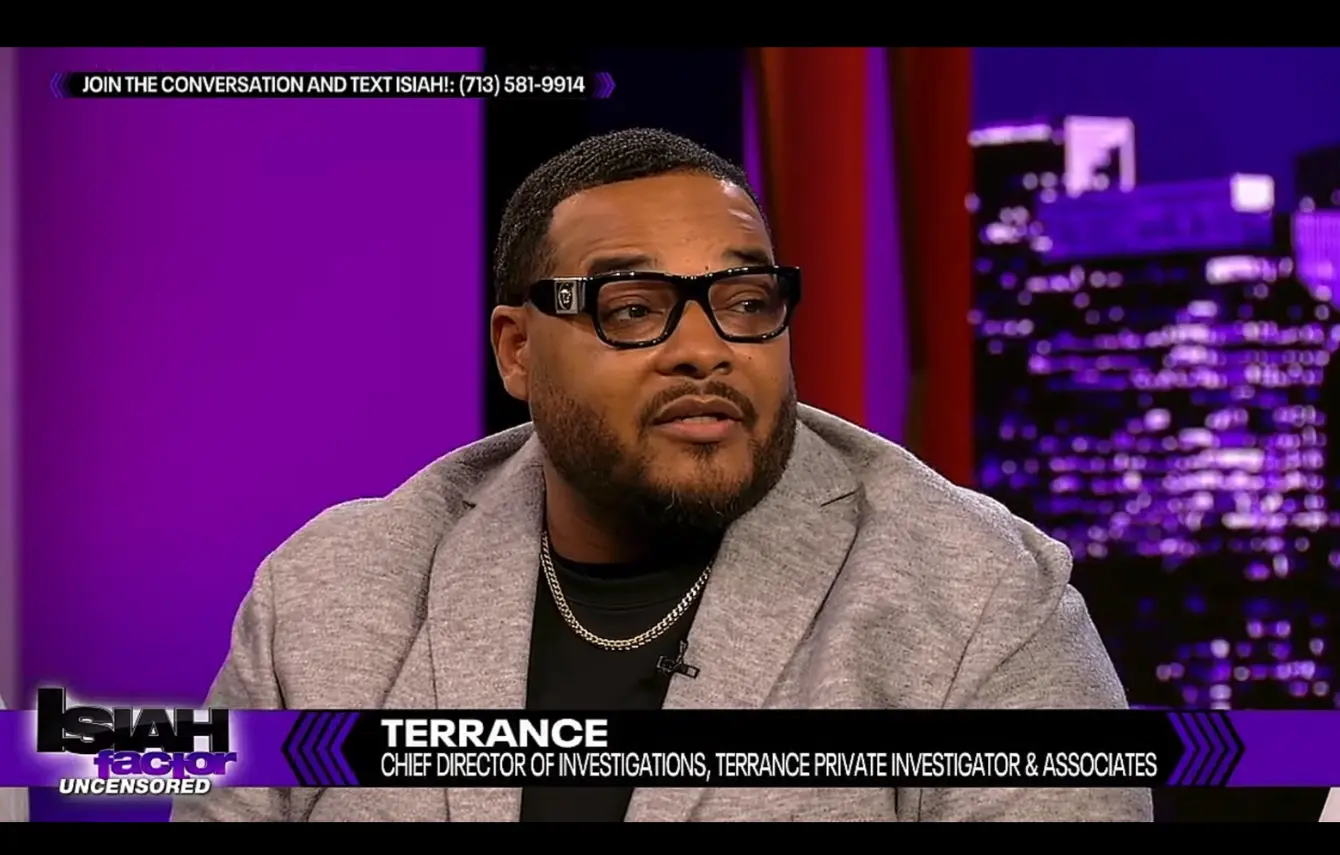
We can research public and lawfully licensed records, verify addresses in the field, canvass a neighbourhood, and approach a witness identifying ourselves honestly. Terrance Private Investigator & Associates is licensed by the Texas Department of Public Safety under A30913601.
We cannot pretext for protected financial, medical or telecom records, access accounts or devices, or obtain a credit report without a permissible purpose. And we do not pressure a witness. Locating somebody is lawful; leaning on them is not, and an investigator who edges toward it damages the testimony as thoroughly as the case. Court rules and procedure for Texas matters are published by the Texas Judicial Branch.
We do not promise to locate anybody, and no honest firm will. What we promise is that the search is documented and that you are told plainly when the identifiers are too thin to produce something you could rely on.
What to gather before you call
Full legal name and any former names, date of birth, every address in the file however old, employer, vehicle, and the relatives or associates named anywhere in the papers. The superseded details are the useful ones, because address history is what a locate is built from rather than an obstacle to it.
Tell us the deadline honestly as well. A locate that can be worked over ten days is a different exercise, and a cheaper one, than the same locate three days before a hearing. And if a previous firm has already searched, say what they covered, because repeating a search nobody knew had been done is the most avoidable cost in this work.
What to do next
Our guide to what a Dallas witness locate costs covers budgeting, what to do when a located witness will not cooperate covers the next problem, and what courts expect when a witness genuinely cannot be found covers the fallback position. Counsel can see how we scope alongside litigation on our attorneys and legal professionals page, and our witness location investigations page sets out the full service.
Frequently Asked Questions
How do I find a witness who has moved?
Through address and residency history rather than a single current-address lookup. Former addresses, employment, relatives, property and vehicle records build a trail, and the most recent link is then verified. A database result on its own is a lead rather than an address.
How long does a Dallas witness locate take?
Most single-subject locates resolve within a few business days where the identifiers are reasonable. A common name, a thin file or an out-of-state trail takes longer, and field verification adds time because somebody has to physically confirm the address.
Can I find a witness myself?
Sometimes, for an uncommon name with a recent address. The risks are misidentifying somebody with a similar name and, if a party approaches them directly, turning a neutral witness into an unwilling one before anybody has taken a statement.
Do I need the address verified in person?
Whenever service or a subpoena depends on it, yes. A records match shows association with an address. Field verification shows occupancy now, and that gap is usually the difference between service that works and a wasted attempt.
What if the witness has left Texas?
Locates run nationwide. Record sets differ by state and county, which affects timing and cost rather than feasibility, and field verification elsewhere is arranged through vetted local investigators. Jurisdictions are agreed with you before work starts.
If you have a name and a deadline, that is usually enough for a useful conversation. A confidential consultation is free and carries no obligation. Call 214-838-8004 or read more on our Dallas witness location investigations page.