

An infidelity investigation is not what most people picture. There is no dramatic stakeout montage and no instant answer. It is a careful, structured process built around one goal: replacing worry with facts you can rely on.
If you are reading this, something has probably made you uneasy. A change in routine, unexplained absences, or a story that does not add up can leave you feeling stuck between doubt and certainty. Understanding how the work actually unfolds can make the decision to move forward feel less overwhelming.
Step 1: The First Conversation
An infidelity investigation starts with a conversation, not with surveillance. We ask what you have noticed, when it began, and what you need to know.
This is also the moment to be honest about your goal. Some clients want peace of mind. Others are preparing for a legal decision and want documentation their attorney can review.
We listen first and we do not judge. Clients often arrive anxious, embarrassed, or unsure that they are overreacting, and none of that needs to be explained away.
[Suggested image: two people talking calmly at a desk in a professional office | Alt text: “first conversation in an infidelity investigation”]
Step 2: Reviewing the Facts and Building a Timeline
Next, we gather what you already know. Useful details include your spouse or partner’s usual schedule, workplace, vehicle, routines, and the specific times or situations that raised your concern.
We also ask about recent changes. A new schedule, new habits, or new places can help focus the work. The more precise the information, the more efficiently an investigation can use its time.
Many clients are surprised by how much they already know. Writing it down in order often reveals patterns that are easy to miss when you are worried.
Step 3: Screening for Legal and Ethical Fit
Before any work begins, we evaluate whether the request is lawful and appropriate. A licensed investigator has to work within privacy and surveillance laws, and some requests cannot be accepted.
We will not hack an account, access private messages without lawful authority, trespass, or install an unlawful tracking device. Texas law places specific limits on interception of communications and on tracking devices, and these limits apply regardless of the reason.
If your situation involves a divorce, custody question, or other legal matter, we encourage you to speak with an attorney. An attorney can tell you what information will be useful and how it should be handled.
Step 4: Agreeing on Scope, Pricing, and Deliverables
An infidelity investigation should begin with a written agreement. It should explain what we will do, how we charge, what a retainer covers, and what you will receive.
We discuss the rate or fee structure, any minimums, possible additional charges, and when we will check in with you before spending more. You should always know what you are authorizing.
We also set honest expectations. We cannot promise that a particular event will happen on a particular day, and no honest investigator can.
Step 5: Planning the Surveillance
Good surveillance is planned. We review your timeline and identify the days, times, and locations that are most likely to be productive.
We consider where observations can be made from lawful vantage points, how many sessions may be needed, and what equipment is appropriate. We also plan how to avoid drawing attention, because an investigation that is noticed is an investigation that is compromised.
Planning does not remove uncertainty. It improves the odds that time in the field is spent where it matters.
Step 6: Surveillance in the Field
This is the part most people imagine, and it is usually quieter than expected. An investigator observes from public or otherwise lawful locations and documents what happens.
Much of the work is patient waiting. A session may produce a great deal of useful information, or it may produce very little. Both outcomes are real results, and both are reported honestly.
We do not confront the subject, trespass, or put anyone at risk. Safety, for the investigator, the subject, and you, comes before any single piece of evidence.
[Suggested image: an investigator documenting observations from a parked vehicle | Alt text: “surveillance step in an infidelity investigation”]
Step 7: Documenting What Is Observed
Documentation is what turns observation into evidence you can use. During surveillance, we record dates, times, locations, vehicles, and observed activity.
Photographs and video capture what is seen, and notes describe what happened between the images. Original files are preserved so they can be reviewed later.
We separate what we directly observed from what we infer. A person entering a building is an observation. Why they were there is not something we claim to know unless we can verify it.
Step 8: Updates and Check-Ins
You are not left guessing during the process. We agree in advance how and when we will update you.
Updates keep you informed and keep the budget under control. If a session produces something important, or produces nothing, you hear about it.
Check-ins also give you the chance to adjust the plan. If new information appears, or if you decide you have what you need, you decide whether to continue.
Step 9: Verifying Identities and Details
Observation alone does not always answer who or what you are seeing. When appropriate, we use records research and lawful verification to confirm the identity of people and places that appear in the investigation.
Verification matters because assumptions are easy to make and costly to get wrong. Two people can look similar, share a name, or drive the same kind of car.
An unverified detail is never presented as a finding. If we cannot confirm something, the report says so.
Step 10: The Written Report
At the end of the work, we prepare a written report. It summarizes what was done, what was observed, what was verified, and what could not be confirmed.
The report includes dates, times, locations, and the supporting photographs or video. It is written so that someone who was not there, such as your attorney, can understand what happened and how we know.
A good report is balanced. If the documented activity is innocent, the report says so, and that answer has real value too.
Step 11: Reviewing the Results and Deciding What Comes Next
We walk through the findings with you and answer your questions. This conversation matters as much as the report.
What you do with the information is your decision. Some clients use it to start a difficult conversation. Others share it with an attorney, and some find that it settles their doubt.
Texas Family Code Section 6.003 provides that a court may grant a divorce in favor of one spouse if the other has committed adultery. How evidence may matter in your situation is a question for a qualified family law attorney.
How Long an Infidelity Investigation Takes
Timelines vary. Some investigations answer the question in a few sessions. Others need more time because the subject’s schedule is unpredictable.
The scope, the number of sessions, and how much information you start with all affect the length. We plan around your goals and tell you when we believe more time would or would not help.
If you are weighing the cost, we explain pricing before work begins so you can decide with the full picture.
What an Infidelity Investigation Cannot Do
An infidelity investigation cannot read minds or guarantee a result. It documents observable activity and verifiable facts.
It also cannot lawfully include certain shortcuts. Accessing someone’s accounts, recording conversations the wrong way, or placing a tracker on a vehicle without a legal right to do so can create serious legal problems and may make the evidence unusable.
If you ever feel unsafe, call 911. Your safety comes first.
What Clients Often Feel During an Infidelity Investigation
The emotional side of this process is real, and it is rarely discussed. Many clients feel relief when they start, then anxiety while they wait, then a mix of emotions when the results arrive.
That is normal. You may feel anger, sadness, doubt, or even guilt about looking into someone you care about. None of those feelings means you made the wrong choice.
We recommend leaning on people you trust and, if it helps, a counselor or other professional. The investigation provides facts. It does not replace support.
Questions to Ask Before You Hire for an Infidelity Investigation
A good firm welcomes questions. Ask for the Texas license information and confirm it through the state’s private security license search.
Ask how the firm documents surveillance, what the report will include, and how updates will be handled. Ask about the rate or fee, the retainer, minimum billing requirements, and possible additional charges.
Ask what the firm will not do. A trustworthy investigator names clear limits and does not promise a particular result. If the answers are vague, keep looking.
How to Prepare Before You Call
You do not need a perfect file. A few things help.
Write down a simple timeline of what you have noticed. Gather the basic facts about schedules, workplaces, and vehicles. Think about what you want to know and what you plan to do with the answer.
Most important, be ready to hear the truth, whatever it turns out to be. Facts give you something solid to stand on, even when they are hard.
Frequently Asked Questions About an Infidelity Investigation
What happens in an infidelity investigation?
It begins with a conversation, then fact review, legal screening, a written agreement, planning, lawful surveillance, documentation, updates, verification, and a written report.
Will an investigation prove cheating?
Not necessarily. An investigation documents what is observed and verified. The results may support a concern, raise questions, or show nothing unusual.
Is surveillance legal?
Licensed investigators conduct surveillance from lawful vantage points and follow privacy laws. Laws vary by situation, so consult an attorney about your specific circumstances.
Can I put a GPS tracker on my spouse’s car?
Not without considering Texas law. Texas Penal Code Section 16.06 addresses tracking devices on vehicles owned or leased by another person, so speak with an attorney or licensed investigator first.
How do I know the investigator is licensed?
Ask for license information and confirm it through the Texas Department of Public Safety private security license search.
Key Takeaway: An infidelity investigation is a structured, lawful process that moves from a first conversation through fact review, legal screening, a written agreement, planning, surveillance, documentation, verification, and a written report. It documents what can be observed and verified, separates facts from assumptions, and respects legal limits. The goal is clarity you can rely on, not a guaranteed outcome.
Why Terrance Private Investigator & Associates
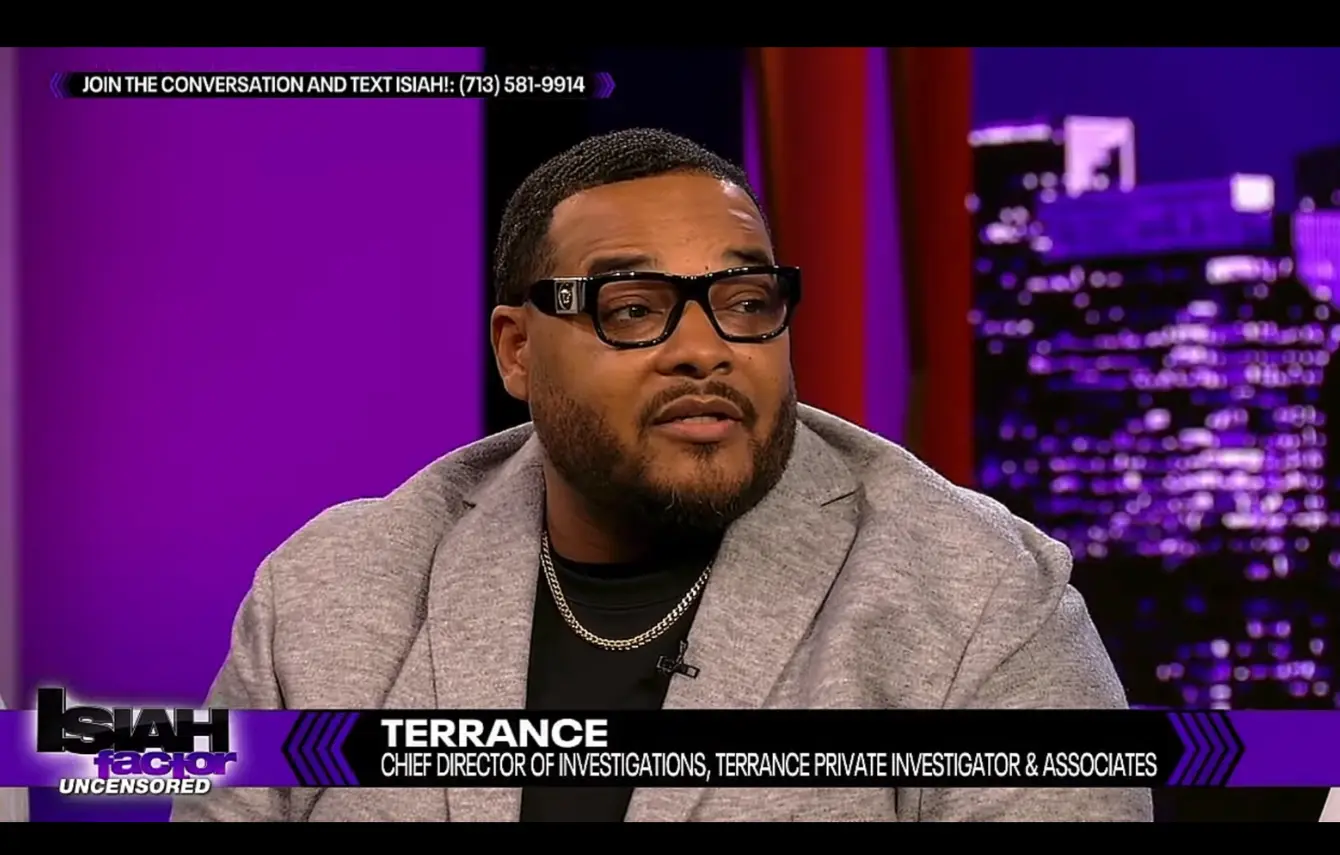
Terrance Private Investigator & Associates is a licensed Texas private investigation firm founded and led by Terrance J. Sanders. We serve clients across Houston, Dallas, Austin, San Antonio, Las Vegas, and Atlanta.
We handle every infidelity investigation with discretion and respect. We explain the process before it begins, tell you what is realistic, and report what we find, including when the answer is not what you expected.
If something feels off and you want facts instead of guesses, contact TPI. You do not have to figure this out alone.
Clarity begins with facts, not assumptions.
Written by the TPI Content Team
Reviewed by Terrance J. Sanders, Licensed Texas PI
Resources
Internal: Infidelity Investigations | Surveillance Investigations | New Case Request
External: Texas Family Code, Chapter 6 | Texas Penal Code, Chapter 16 | Texas DPS Private Security
This article provides general educational information and is not legal advice. Consult a qualified attorney regarding legal questions involving your circumstances. If you ever feel unsafe, call 911.