

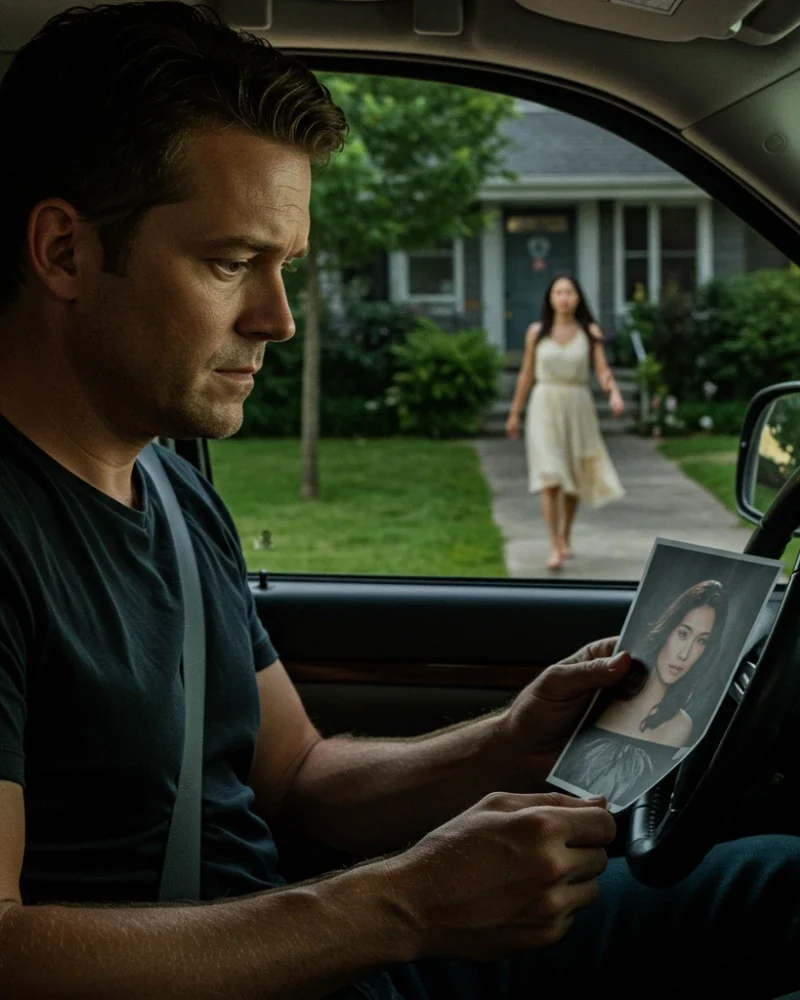
An uncooperative witness in Atlanta is seldom an enemy of your case. Far more often they are busy, anxious about their job, wary of lawyers in general, or simply unwilling to reopen something they thought was finished years ago. What a professional investigator can lawfully do is find them, approach once while being honest about who we are and why we are there, listen, and write down exactly what was said. What nobody is permitted to do is lean on them. In Georgia, using threats, intimidation or inducements to shape what a witness says is a felony, and an approach that even looks like pressure can harm the testimony as badly as it harms the people involved.
So the useful question is not how to make someone talk. It is how to give them a fair chance to, and what to do if they still say no.
Is it legal to contact a reluctant witness in Georgia?
Yes. Speaking to a witness, or asking to, is lawful, and a witness is generally free to say no to an informal conversation. The limits are about method. Georgia’s statute on influencing witnesses covers threats to a person, their property or their employment, the offer of any benefit or reward, intimidation, corrupt persuasion and misleading conduct intended to influence, delay or prevent testimony. A hint that cooperation would be made worthwhile, or that silence would have consequences at work, is enough to create a serious problem.
Two further points belong to your attorney, not to us. Where a witness has a lawyer, professional conduct rules govern who may contact them and how. And where the matter is criminal, extra care is needed around victims and prosecution witnesses. We take instruction from counsel on who may be approached at all, and we record that instruction. Procedure also differs between state and federal matters, and for cases in federal court here the U.S. District Court for the Northern District of Georgia publishes its own court information.
Why do witnesses stop returning calls?
Rarely to protect anyone. In our experience working hundreds of cases nationwide, the reasons are ordinary. They cannot afford a day off. They do not want their name in a document their employer might read. They gave a statement to an officer or an insurance adjuster long ago and assumed that was the end of it.
This metro adds practical reasons that have nothing to do with attitude. People change apartments and jobs often, commutes are long, and a witness who lived in Virginia-Highland when something happened may now be in Lawrenceville, working shifts, with no remaining connection to the people involved. What looks like avoidance is frequently distance and fatigue. A voicemail from an unknown number about a lawsuit is easy to ignore after an hour on the Downtown Connector.
Sometimes there is something heavier: a relationship with one of the parties, fear of retaliation, or worry about their own legal exposure. Those concerns change what is realistic, and they are not solved by a sixth phone call. An uncooperative witness in Atlanta with a real fear needs that fear taken seriously and reported to counsel.
If you are stuck between needing an account and not wanting to make things worse, a confidential conversation with us costs nothing.
How should an uncooperative witness in Atlanta be approached?
Once, in person where possible, and on your instruction. We introduce ourselves by name, say who we work for when you have authorised that, explain in plain words what the case is about and why their account matters, and then we listen. We do not suggest answers, we do not characterise the other side, and we do not offer anything in return.
If the person agrees to talk, we record what was said, when and where, and whether they are willing to sign a statement. If they decline, we thank them, note the date, the place and their words as closely as we can, and leave. We do not come back the next evening. We do not wait at their workplace. We have learned that the manner of the first approach decides almost everything, and that a second uninvited visit turns a polite no into a complaint.
What is a documented decline actually worth?
More than most clients expect. It converts an unknown into a fact. You now know the person exists, where they are, that they were given a fair opportunity, and what they said. Your attorney can decide from solid ground whether to issue a subpoena, build the case around other evidence, or let the point go.
It also protects you. Every contact with a witness can be examined later, and a file showing one courteous approach and a clean stop gives the other side nothing to work with. We often see the opposite in files that arrive after a client has tried on their own: a dozen calls, a message to a relative, a visit to a workplace. Handling an uncooperative witness in Atlanta well is largely a matter of what you can show you did not do. In a different kind of matter, a client hired us to prove one thing and the evidence showed the opposite, and the same principle applied. We report what is there, not what was hoped for.
What can an investigator do here, and what can we not do?
We can locate the person, confirm the address, make the approach, take a statement if one is offered, and document all of it in a form counsel can use. If they have not yet been found, that is the earlier job, and our Atlanta witness location investigations page explains it.
We cannot compel anyone to speak, and neither can you without legal process, which is a matter for your attorney. We will not record a conversation in a way the law does not allow, pose as someone else, contact a person through their private accounts, or obtain their phone or financial records by pretext. We will not tell you that a statement will be accepted by a court or predict how a judge will treat a refusal. And we will not keep going after a clear no, whatever the fee.
Does timing matter more than persuasion?
Often, yes. A witness approached in the weeks after an event usually remembers more and minds less. The same person contacted two years later feels they are being pulled back into something.
What we see in practice is that circumstances shift. We have seen people who refused while job hunting feel differently once settled, and a person who was frightened may relax when a case moves on. That is no reason to keep calling. It is a reason to record the decline properly so that counsel can decide, once and deliberately, whether a second approach months later is appropriate.
What should you do now?
Stop any informal contact by the client, family or friends today. Write down every approach already made, with dates, and give it to your attorney. If the witness still has to be found, start with how to find a witness for court in this metro, and for budgeting see what locating a witness costs. If the person truly cannot be produced, the record you need when a witness is unavailable for trial explains the fallback. Our Atlanta private investigator page covers the counties we work.
Frequently Asked Questions
Can a private investigator make a witness talk?
No, and be cautious of anyone who implies otherwise. Before a subpoena, a witness is generally free to decline an informal conversation. We make one honest approach, record the response, and stop if the answer is no. Compelling attendance or testimony is a legal step that only your attorney can pursue.
Is it legal to contact a witness in Georgia?
Contacting a witness is lawful. Trying to shape their testimony through threats, intimidation, rewards or misleading conduct is not, and Georgia treats that as a felony. If the witness has a lawyer, or the case is criminal, ask your attorney who may be approached before anyone makes contact.
What if the witness has already refused once?
Then the refusal is recorded and respected. Repeated approaches rarely change the answer, and they create a pattern the other side can point to later. A dated note of one polite approach and a clear decline is usually more useful to your attorney than a reluctant statement obtained by persistence.
Should I approach the witness myself?
Usually not. A visit from a party to the case, or from a relative, tends to turn a neutral person into a defensive one, and you may later be asked about what was said. An uncooperative witness in Atlanta is better approached once by someone independent who documents it.
What if they will talk but refuse to sign anything?
That happens often and still has value. We write up what was said, when and where, and report it to you. What use can be made of an unsigned account is a question for counsel, but knowing its content helps decide whether a subpoena is worthwhile.
If someone who matters to your case has gone quiet, you do not have to work out the next step alone. A confidential consultation is free and carries no obligation. Call 404-671-3292 or read about our witness locate and approach service in Atlanta.